Aluminum Coffee Pot: Best Stovetop Pick & Buying Guide (2026)
An aluminum coffee pot is simple, light, and fast to heat—but the term can mean a moka pot, a percolator, or an old-fashioned stovetop brewer. This guide focuses on the moka-pot style most shoppers mean today, with one direct product match and the practical tradeoffs you should understand before buying.
John CrestaniEspresso Equipment Specialist
Last Updated
The short version
Which aluminum coffee pot should you buy?
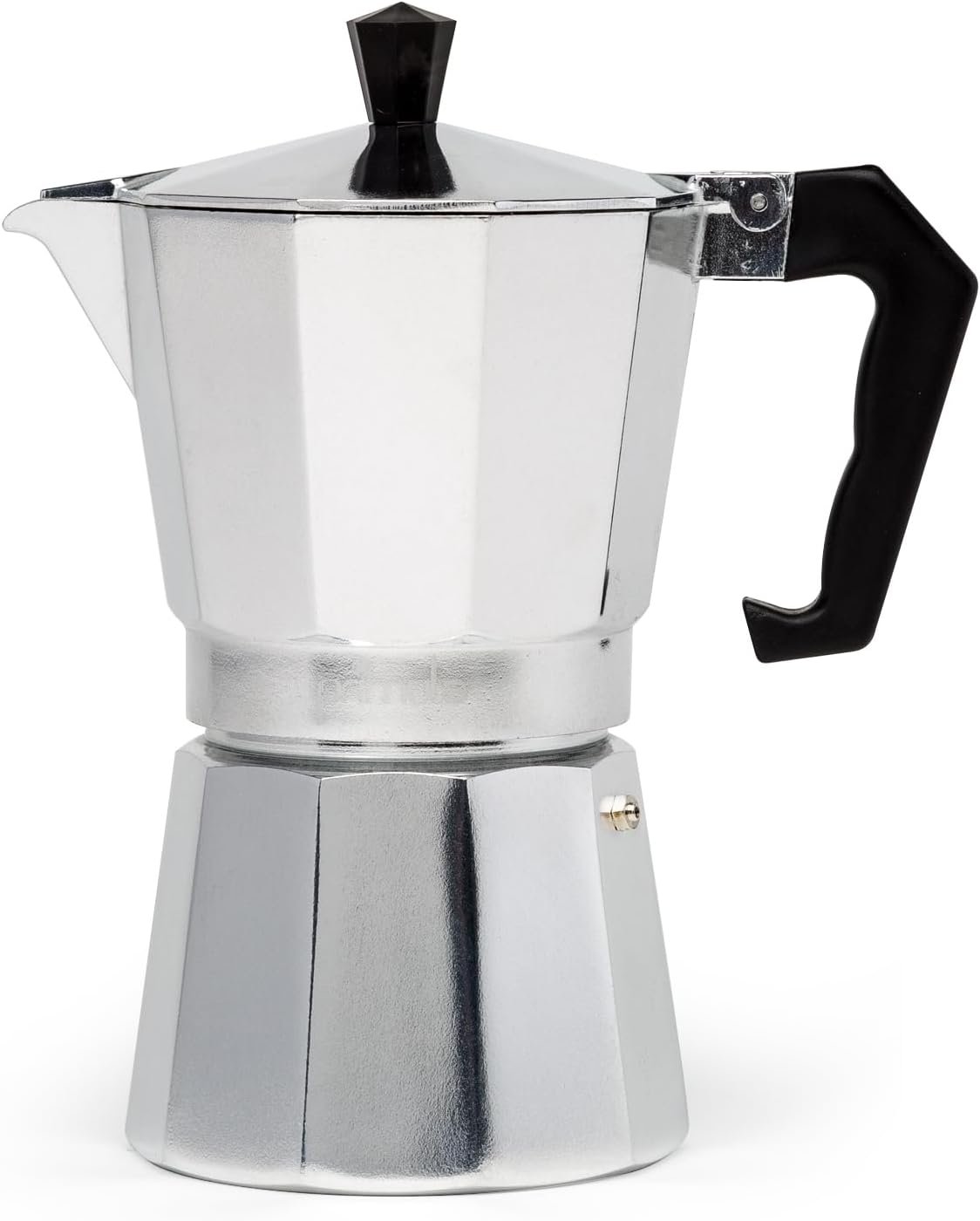
If you want a traditional aluminum coffee pot for concentrated stovetop coffee, the Primula Classic Stovetop Espresso and Coffee Maker is our direct-match starting pick. Primula describes the line as long-lasting aluminum that brews moka-style coffee in minutes, with 1- to 12-cup sizes available; the affiliate product supplied for this page is the silver 6-cup version. It is a better fit for someone who wants a compact manual brewer than for someone expecting push-button coffee or true pump-driven espresso.
Research transparency: This is a research-based buying guide, not a hands-on laboratory test. We only recommend a product here when it actually matches the aluminum coffee-pot intent instead of padding the page with unrelated glass or stainless-steel machines. Manufacturer claims describe listed features, not independently measured performance.
How we evaluated
A useful aluminum coffee pot guide starts with the brew method
“Aluminum coffee pot” is broader than one appliance type, so we evaluated the direct match against four practical questions: what the pot is made from, how it brews, which stovetops it is intended for, and how much care the material requires. That keeps the recommendation aligned with what a shopper is actually trying to buy rather than treating every metal coffee maker as equivalent.
Material matchIs aluminum a primary part of the brewing body, rather than only a decorative finish?
Brew styleDoes it make moka-style concentrated coffee, percolated coffee, drip coffee, or espresso?
Stove fitWill the base work with the heat source you actually have at home or while camping?
Ownership frictionConsider cleaning, drying, gasket care, replacement parts, and how the pot ages over time.
Aluminum coffee pot at a glance
The Amazon link in this table is a paid link. Prices and availability change frequently, so the table intentionally does not display them. On a phone, swipe sideways to see every column.
Direct aluminum coffee pot match: material, capacity, heat source, and main tradeoff
Coffee pot
Material
Linked size
Listed heat sources
Main tradeoff
Amazon paid link
Primula Classic Stovetop Espresso & Coffee Maker
Aluminum
6 demitasse cups
Electric, ceramic, gas, propane
Manual moka-pot workflow; do not assume induction compatibility
Espresso Mastered:The EspressoFinder.com Guide for Enthusiasts and Professionals
Choose smarter. Brew better from day one.
Pressure numbers and long feature lists can make almost every machine look impressive. This practical guide shows you what actually affects taste, workflow, and long-term value—before you spend your money.
Separate useful specifications from marketing noise
Match the grinder, milk system, and learning curve to your routine
Spot hidden accessory, cleaning, and upgrade costs
Use a clear checklist to compare any espresso machine
Free digital guide · Delivered by email · Privacy Policy
Our direct aluminum coffee-pot pick, with the tradeoffs explained
For this keyword, relevance matters more than building a long ranking. The Primula Classic is the clear direct match in the supplied product set because it is explicitly a stovetop aluminum moka pot rather than a conventional drip machine, steel urn, or electric espresso appliance.
Best direct match
1. Primula Classic Stovetop Espresso and Coffee Maker
A straightforward aluminum moka pot for buyers who want concentrated stovetop coffee, a small footprint, and no electric machine on the counter.
Buy it ifYou want a lightweight manual coffee pot for a gas, electric, ceramic, or propane stove and like strong moka-style coffee.
Skip it ifYou need standard induction compatibility, want true pump espresso, or prefer an automatic coffee maker.
The appeal of an aluminum moka pot is its simplicity. Water goes in the lower chamber, ground coffee sits in the filter basket, and heat drives water upward through the coffee into the upper chamber. Primula says its aluminum construction is designed to distribute heat thoroughly and evenly, and the manufacturer offers this moka-pot line in several sizes. The product supplied for this page is the silver 6-cup version, where “cup” means small demitasse servings rather than six U.S. coffee mugs.
That distinction matters because a moka pot does not brew the same drink as an electric espresso machine. It makes concentrated stovetop coffee with more body and intensity than typical drip coffee, but it does not use the same controlled pump pressure as a modern espresso machine. If your goal is the ritual and flavor of traditional manual brewing, that is a feature; if your goal is repeatable café-style espresso shots, it is the wrong tool.
Primula lists electric, ceramic, gas, and propane among compatible heat sources. Because the product documentation we reviewed does not list induction, do not assume an aluminum base will work directly on an induction cooktop. Check the exact Amazon listing and your cooktop requirements before ordering.
MaterialAluminum
Capacity6 demitasse servings
CleaningWarm-water rinse and dry
What we like
Direct match for the “aluminum coffee pot” search intent
Compact manual design with no countertop electronics
Works with common gas, electric, ceramic, and propane heat sources listed by Primula
Multiple size options exist in the wider Primula line
What to consider
Moka “cups” are small demitasse servings, not mug-size portions
Manual heat control affects the final cup
Induction compatibility is not listed in the documentation reviewed
Aluminum requires sensible cleaning and thorough drying after use
Four decisions to make before buying an aluminum coffee pot
Moka pot or percolator?
A moka pot pushes heated water through a compact bed of coffee and produces a strong, concentrated drink. A stovetop percolator repeatedly cycles hot water through grounds and tastes different. Search photos can make both look like “old-fashioned aluminum coffee pots,” so confirm the brew method before you buy.
How many cups do you actually need?
Stovetop coffee-pot capacities often use small serving sizes. A 6-cup moka pot is designed around demitasse portions, not six large breakfast mugs. If you regularly fill an 8- to 12-ounce mug, compare actual brewed volume rather than relying on the cup count alone.
Will it work on your stove?
Gas and conventional electric stoves are usually straightforward when the manufacturer lists them. Induction is different because the cooktop needs compatible magnetic cookware. If induction is your priority, verify the base specification explicitly rather than assuming every metal pot will work.
Are you comfortable with manual care?
Primula recommends rinsing the parts with warm water and drying them before reassembly. That simple routine helps avoid stale residue and trapped moisture. For broader brew-method comparisons, see our manual coffee maker guide, and for metal construction alternatives see our all-metal coffee maker guide.
Water quality still affects flavor and mineral buildup even in a simple stovetop brewer. If your tap water is unusually hard or tastes strongly of chlorine, our water filtration for coffee guide explains the tradeoffs without assuming that “more filtration” is always better.
Quick answers
Common questions about aluminum coffee pots
What is an aluminum coffee pot?
The phrase can describe several stovetop brewers, but shoppers often mean an aluminum moka pot: a two-chamber coffee maker that uses steam pressure from heated water to push water through ground coffee into an upper chamber. It produces concentrated coffee without an electric pump.
Is an aluminum coffee pot safe to use?
Do not treat every aluminum pot as identical. The U.S. FDA has warned about certain specific imported cookware products made from aluminum, brass, and some aluminum alloys that may leach lead; that warning is not a blanket statement that all aluminum coffee pots are unsafe. Buy traceable cookware from established sellers, follow the manufacturer’s instructions, and stop using any pot that is damaged or subject to a specific safety warning. See the FDA cookware safety notice for the current affected-product information.
Does a moka pot make real espresso?
Not in the modern pump-machine sense. Moka coffee is strong and concentrated, but the brewer operates differently and at much lower pressure than a pump espresso machine. It is better to think of it as its own traditional stovetop brewing method.
Can an aluminum coffee pot work on induction?
Do not assume it will. Standard induction cooktops require a magnetically responsive base, and Primula’s documentation for this aluminum line lists electric, ceramic, gas, and propane rather than induction. Confirm the exact model before buying, especially if induction is your only heat source.
How do you clean an aluminum moka pot?
For the Primula model covered here, the manufacturer instructs users to rinse the parts with warm water and allow them to dry before reassembling. Follow the instructions for your exact pot, keep the filter and gasket area free of old coffee residue, and do not store the brewer sealed while it is still wet.
What do you serve moka coffee in?
Because the drink is concentrated, small cups make more sense than full-size drip-coffee mugs. If you want traditional serving sizes and shapes, compare options in our Italian espresso cups guide.
Recommended next
Continue your research
These published EspressoFinder guides are the closest next steps if you are comparing materials, manual brewing, or serving moka-style coffee.