The best espresso machine is the one that fits your real morning: one-touch convenience, hands-on control, better milk drinks, or a portable ritual. We compare 25 current options by workflow, grinder, milk system, ownership effort, and the compromise each machine asks you to accept.
John CrestaniEspresso Equipment Specialist
Last Updated
The short version
Which espresso machine should you buy?
The Breville Barista Express is our best overall starting point for someone who wants to learn espresso with an integrated grinder. Choose the Philips 5500 Series for broad one-touch drink variety, the De’Longhi Dinamica Plus for premium automatic personalization, the Ninja Luxe Café Pro when one machine must cover espresso, drip coffee, cold brew and hot water, or the Gaggia Classic Pro E24 when you want a traditional semi-automatic platform.
Testing transparency: This is a research-based comparison of manufacturer information, model documentation, and design tradeoffs, not a hands-on laboratory test of all 25 machines. Recommendations are editorial judgments rather than Amazon ratings. Exact model numbers, included accessories, voltage, warranty, and current availability should be confirmed on the live listing before purchase.
How we evaluated
A useful top 25 needs more than pressure numbers
We compared each machine against the same five everyday questions. Manufacturer specifications identify the intended workflow, but they do not prove taste, durability, or measured temperature stability. No machine receives credit for a larger pump number alone; our 20-bar espresso machine guide explains why brew pressure needs context.
Daily workflowHow many steps separate whole beans from a finished drink?
Espresso controlCan the user meaningfully adjust grind, dose, yield, and temperature?
Milk drinksIs milk manual, assisted, or fully automatic, and how much cleaning follows?
Ownership frictionWe considered counter space, refilling, cleaning, accessories, and model matching.
Buyer fitA high rank reflects usefulness for a defined buyer, not a claim that one workflow suits everyone.
Top 25 espresso machines compared
Amazon links in this table are paid links. On a phone, swipe sideways to see every column. Prices and availability change frequently, so this comparison intentionally does not display them.
Twenty-five espresso machines compared by buyer fit, type, grinder, milk system, and main tradeoff
Espresso Mastered:The EspressoFinder.com Guide for Enthusiasts and Professionals
Choose smarter. Brew better from day one.
Pressure numbers and long feature lists can make almost every machine look impressive. This practical guide shows you what actually affects taste, workflow, and long-term value—before you spend your money.
Separate useful specifications from marketing noise
Match the grinder, milk system, and learning curve to your routine
Spot hidden accessory, cleaning, and upgrade costs
Use a clear checklist to compare any espresso machine
Free digital guide · Delivered by email · Privacy Policy
Our 25 picks, with the tradeoffs explained
There is no universal winner. Automatic machines reduce technique, semi-automatics reward practice, and manual levers make the process itself part of the appeal. Focus on the machine whose daily routine you will still enjoy after the novelty wears off.
Best overall for learning
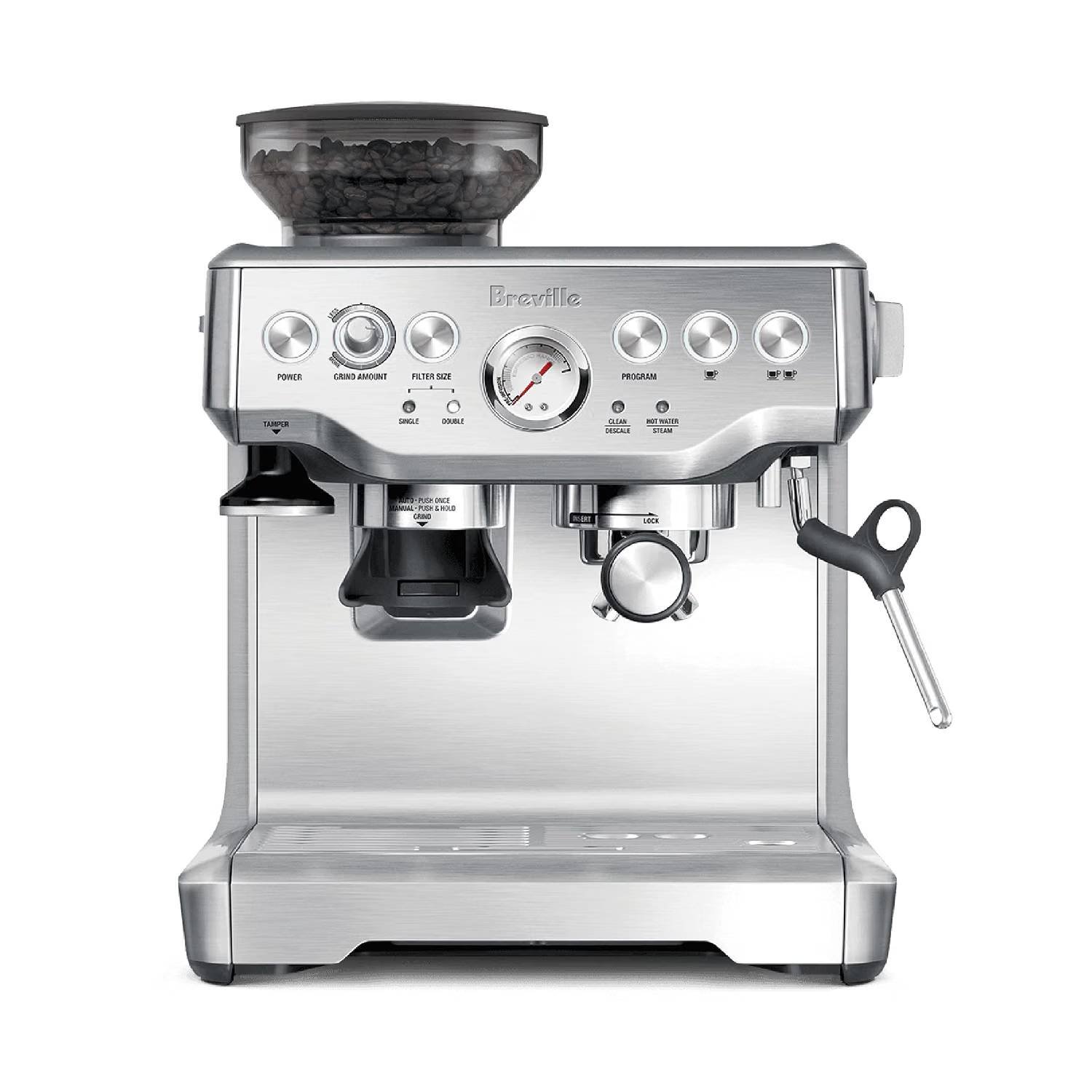
1. Breville Barista Express BES870XL
The strongest starting point for buyers who want one countertop machine while still learning real espresso skills.
Buy it ifYou want grinding, dosing, extraction, and milk texturing in one familiar workflow.
Skip it ifYou already own a capable espresso grinder or want an automatic milk system.
The Barista Express remains a useful benchmark because its workflow is easy to understand. Beans move from the hopper to the portafilter, the pressure gauge gives visible feedback, and the steam wand keeps milk texture under your control. That combination helps a new owner learn why grind size, dose, and shot time change the cup.
Its main limitation is that newer integrated machines offer more guidance and finer adjustment. The 54 mm format also has a smaller accessory ecosystem than a 58 mm group. Those compromises matter to advanced hobbyists, but they do not erase the appeal of a proven, self-contained setup.
WorkflowGrind-to-portafilter
Portafilter54 mm
Milk systemManual steam wand
What we like
Clear learning path
Pressure feedback is helpful
One-machine starter setup
What to consider
Fewer grind steps than newer rivals
Brewing and steaming are sequential
Not the best choice if you own a grinder
Specification source reviewed: Breville’s official BES870 product page and current support material. Editorial conclusions are our own.
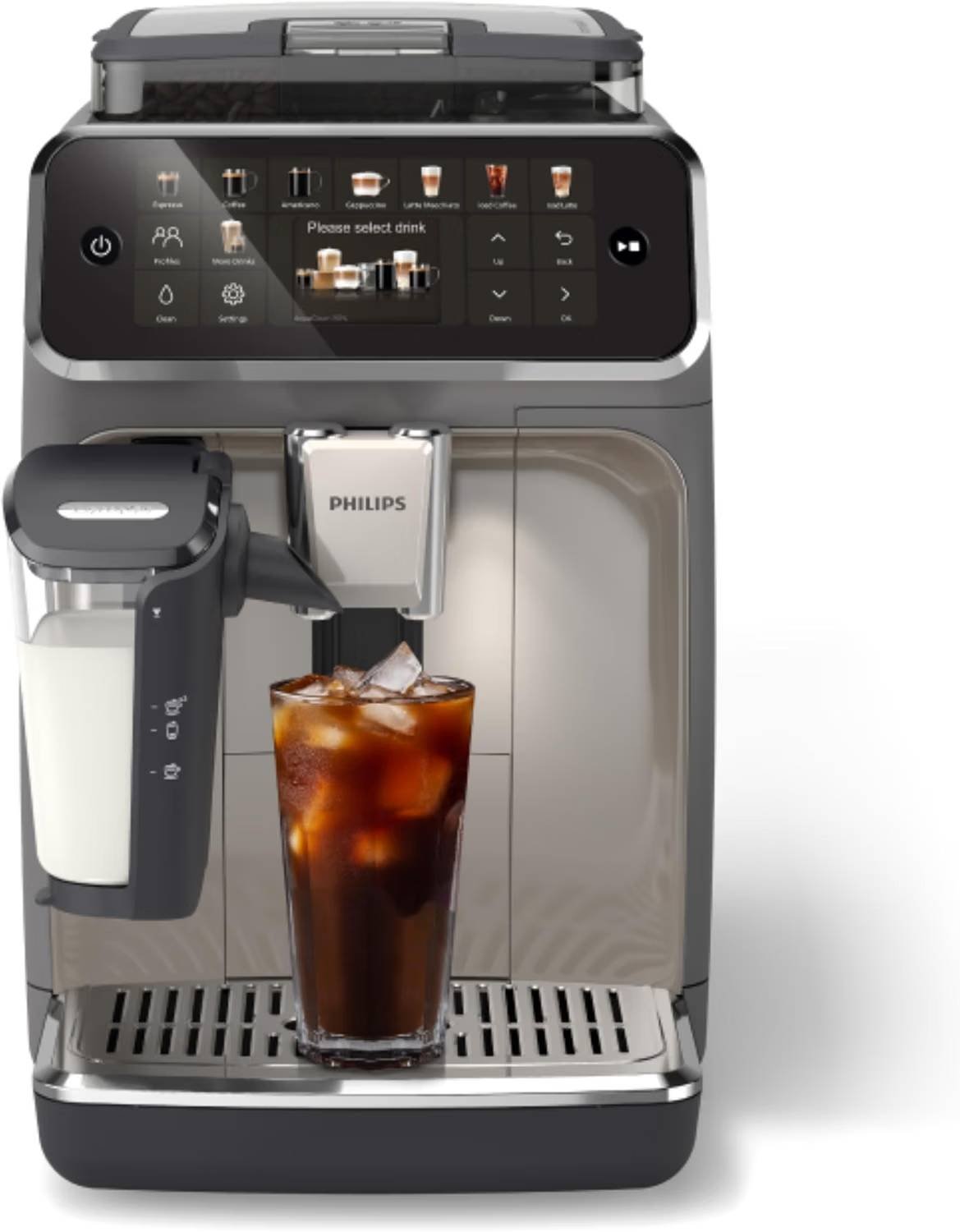
A broad one-touch menu for households that value repeatability and milk-drink convenience over manual control.
Buy it ifSeveral people want saved, repeatable espresso and milk drinks without using a portafilter.
Skip it ifYou enjoy adjusting dose, tamp, extraction, and milk texture by hand.
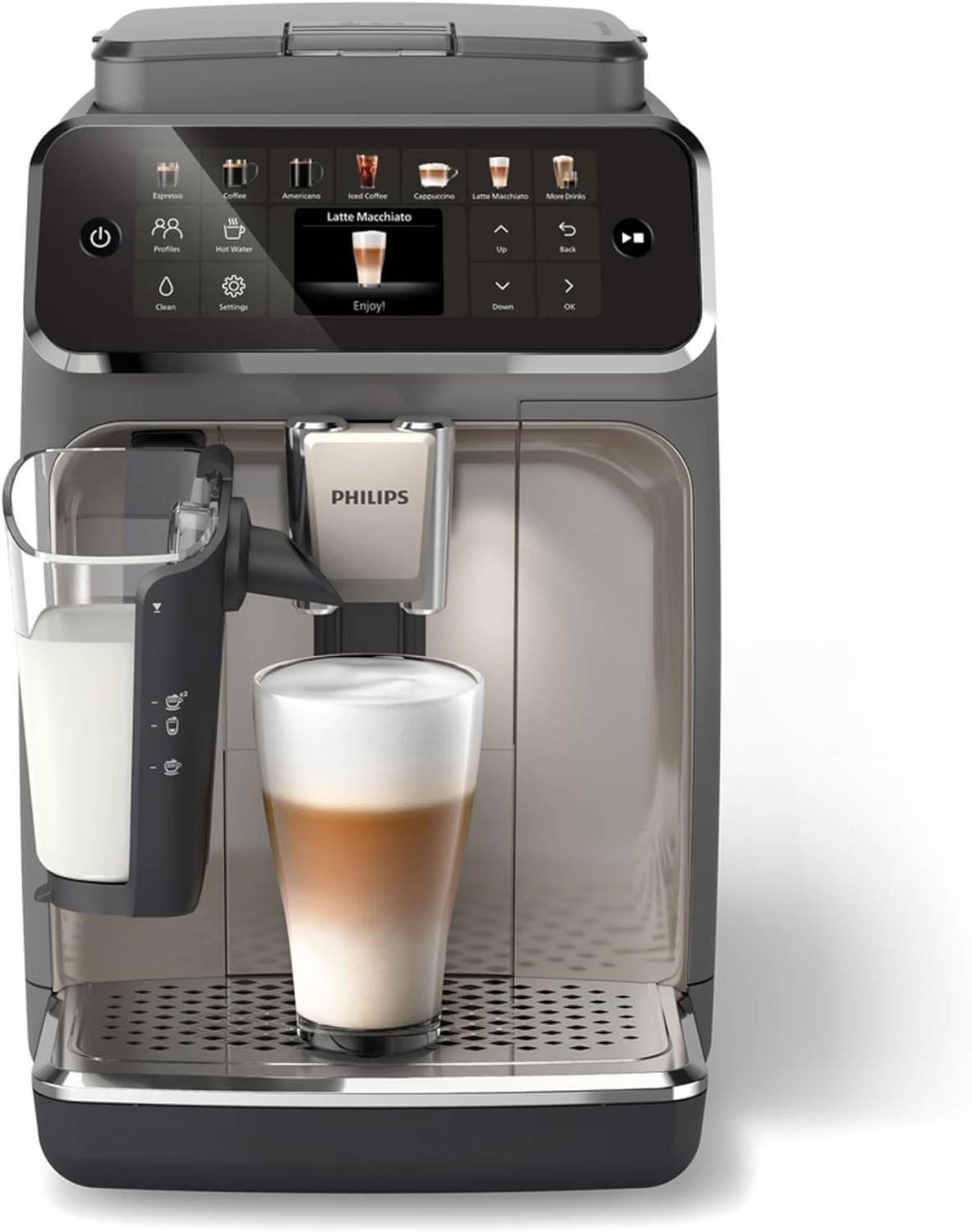
The 5500 Series is the convenience-first pick near the top of this list. Philips presents it as a fully automatic platform with a large recipe menu and the detachable LatteGo milk system. It is designed to move from whole beans to a finished drink with far fewer manual steps than a semi-automatic machine.
That convenience changes the ownership experience rather than eliminating maintenance. The milk parts still need rinsing, the brew group needs routine care, and drink counts can differ by regional model. Confirm that the Amazon listing matches the exact 5500 revision you expect before ordering.
WorkflowOne-touch bean-to-cup
Drink menuBroad preset selection
Milk systemAutomatic LatteGo
What we like
Large drink selection
Approachable milk workflow
Good fit for multiple users
What to consider
Less manual control
Model features vary by region
Requires regular brew-group care
Specification source reviewed: Philips’ official Series 5500 product and support pages. Editorial conclusions are our own.
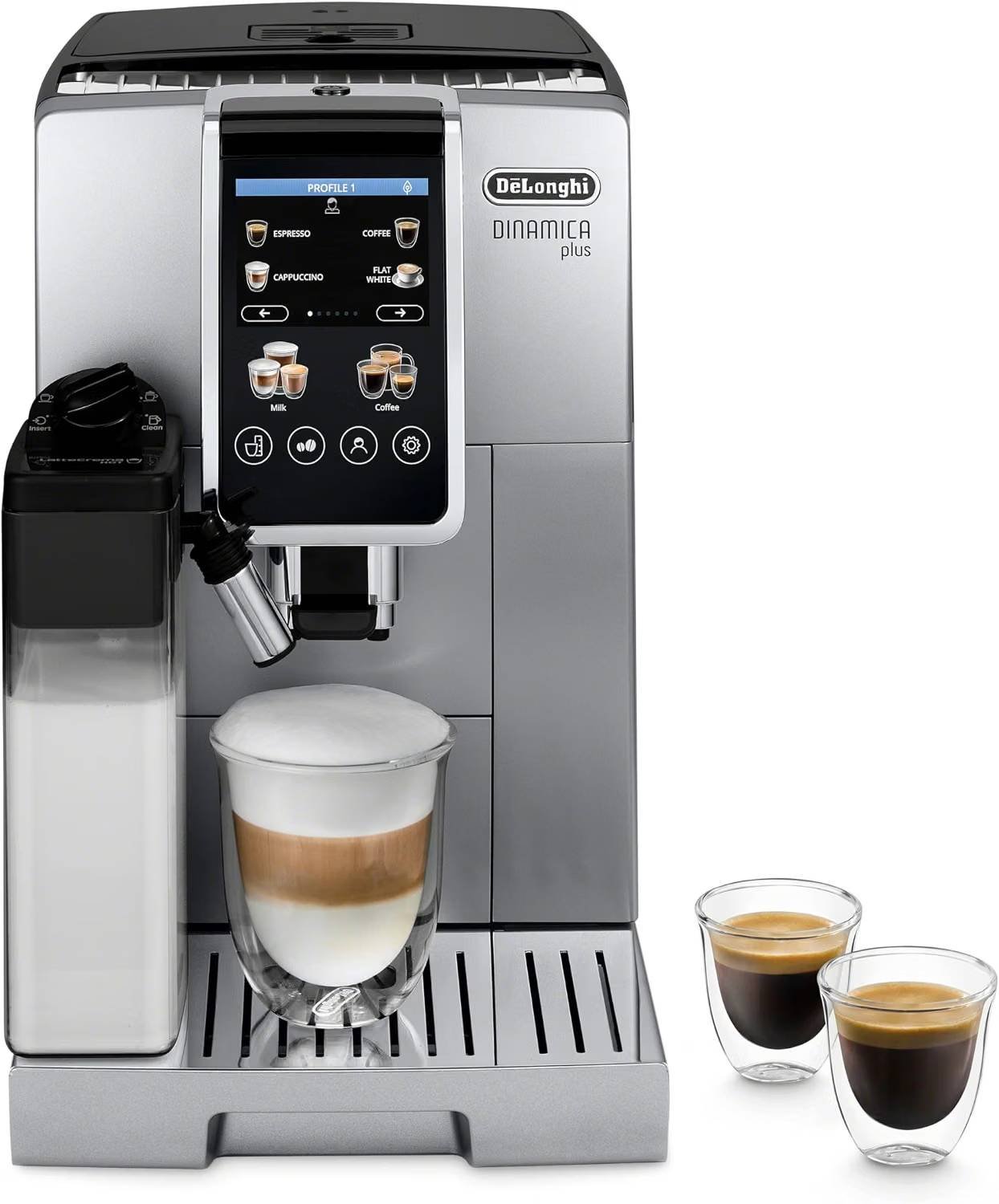
A polished bean-to-cup choice for buyers who want personalization, automatic milk, and a guided color-display workflow.
Buy it ifYou want customizable drinks for several users and prefer an automatic milk carafe.
Skip it ifYou want direct control over a portafilter or dislike cleaning milk-system parts.
Dinamica Plus earns a high position by balancing choice with a manageable daily routine. De’Longhi’s current family material emphasizes automatic espresso and milk drinks, touch-screen control, and profile-based personalization on supported versions. It suits a household where different people prefer different strengths and milk textures.
The exact Dinamica Plus specification is important because several versions remain on the market. App support, recipe count, and profile capacity can change by model number. Use the Amazon link as the purchase path, but verify the model shown in the listing against the features you consider essential.
WorkflowOne-touch personalized drinks
ControlsColor touch display
Milk systemAutomatic carafe
What we like
Strong personalization
Automatic milk texture
Wide drink range
What to consider
Premium counter-space commitment
Milk circuit needs cleaning
Feature set varies by model
Specification source reviewed: De’Longhi’s official Dinamica family and Dinamica Plus documentation. Editorial conclusions are our own.
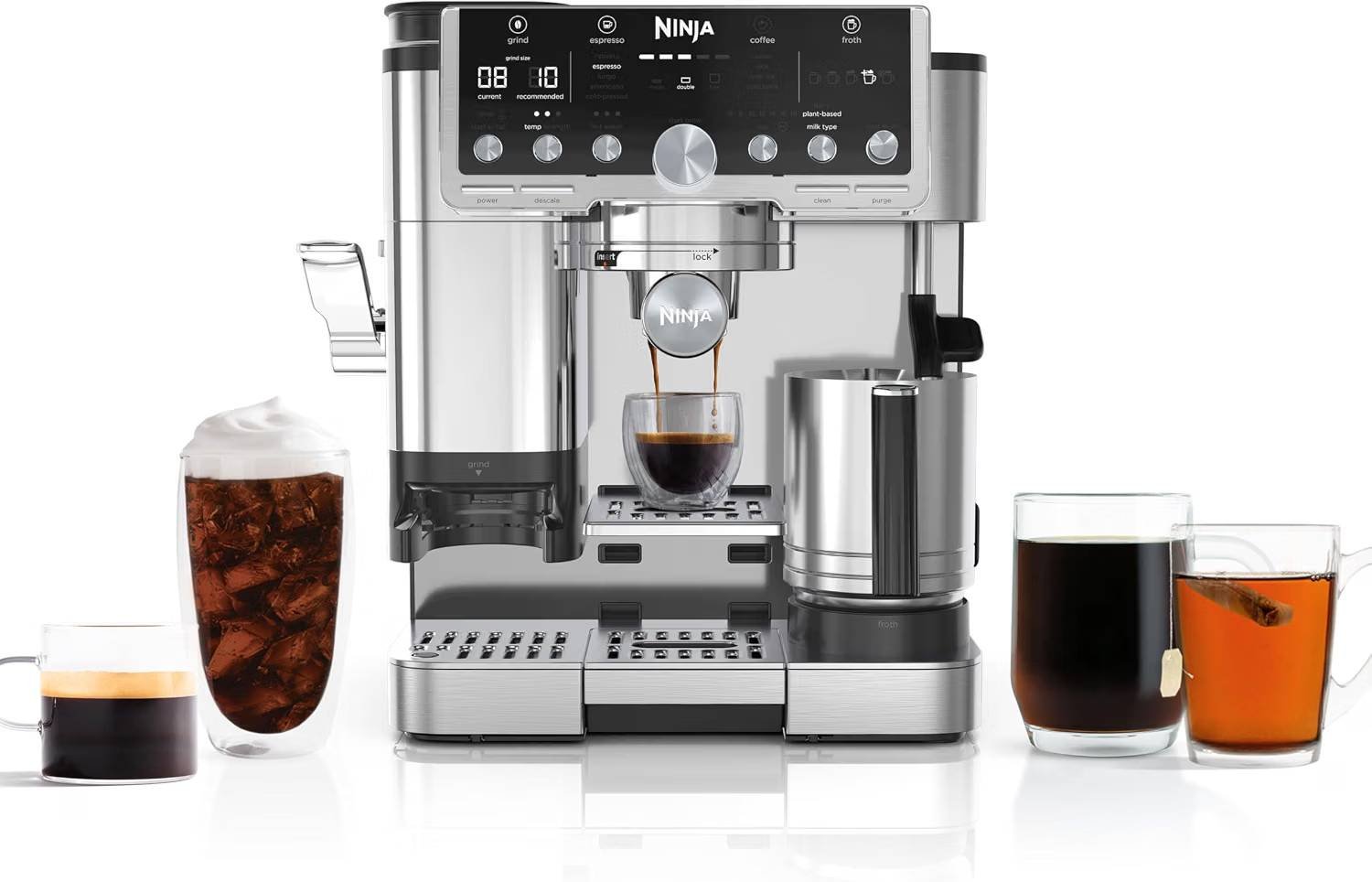
A versatile guided system for a household that does not want to choose between espresso, drip coffee, cold brew, and hot water.
Buy it ifYour kitchen needs one machine to cover several coffee styles with on-screen guidance.
Skip it ifYou want a compact espresso-only machine or a traditional manual workflow.
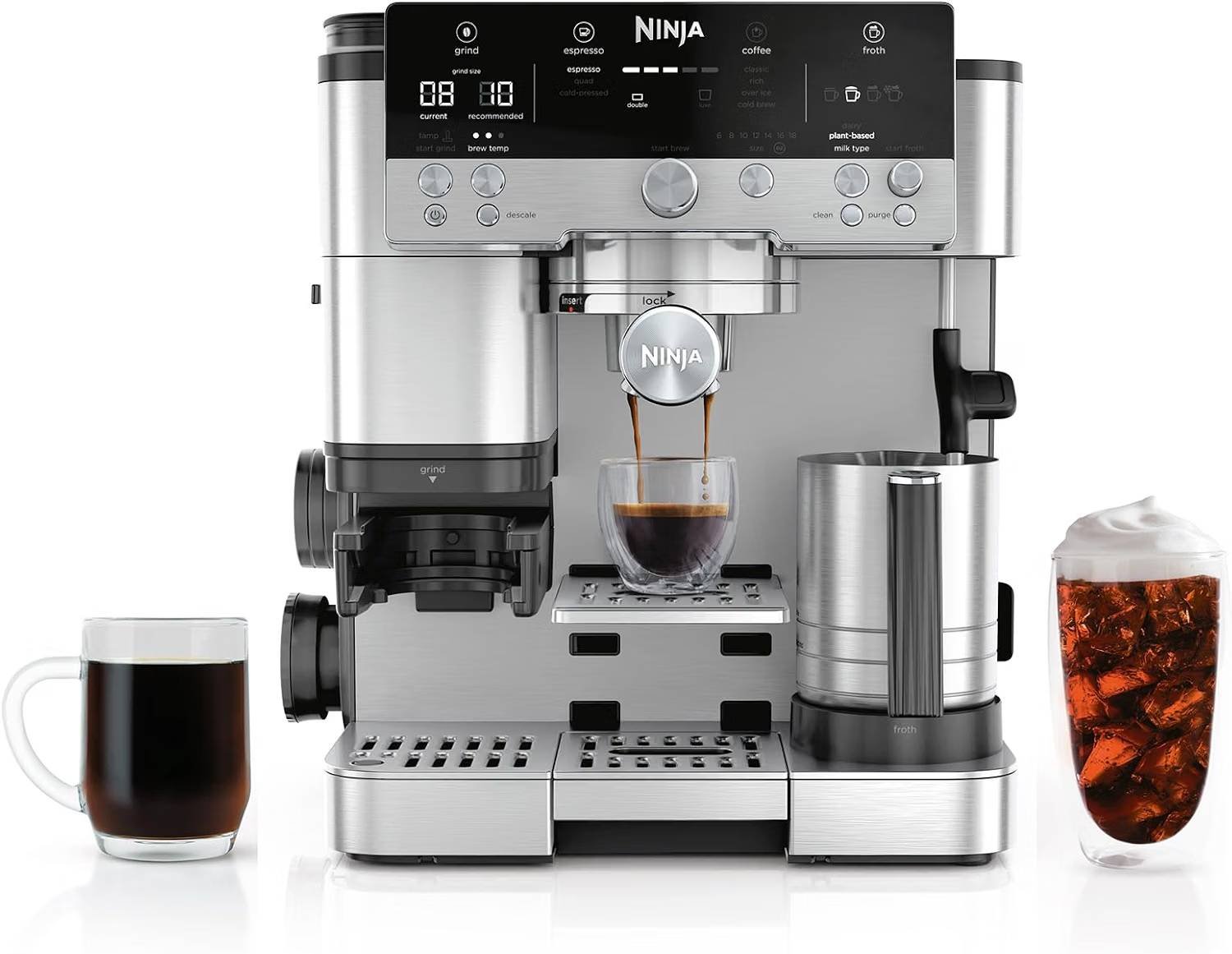
Ninja positions the ES701 as a four-in-one system rather than a conventional espresso machine. It combines guided espresso preparation with drip coffee, rapid cold brew, and a separate hot-water function. That makes it unusually practical for a mixed household where one person wants a latte and another wants a larger coffee.
Versatility is also the tradeoff. More modes mean a larger body, more controls, and more parts to understand. Buyers who only drink straight espresso may be paying for functions they will rarely use, while families that rotate between formats can get much more value from the same footprint.
WorkflowGuided multi-format
Coffee stylesEspresso, drip, cold brew
Milk systemAssisted frothing
What we like
Broadest format coverage
Helpful guided workflow
Independent hot-water function
What to consider
Large countertop presence
More components to clean
Overkill for espresso-only users
Specification source reviewed: Ninja’s official Luxe Café Pro ES701 product page. Editorial conclusions are our own.
A premium automatic platform with a large display and extensive customization for buyers who prioritize interface quality.
Buy it ifYou want a modern touch interface, many beverage choices, and saved favorites.
Skip it ifYou prefer a simple appliance with fewer connected or menu-driven features.
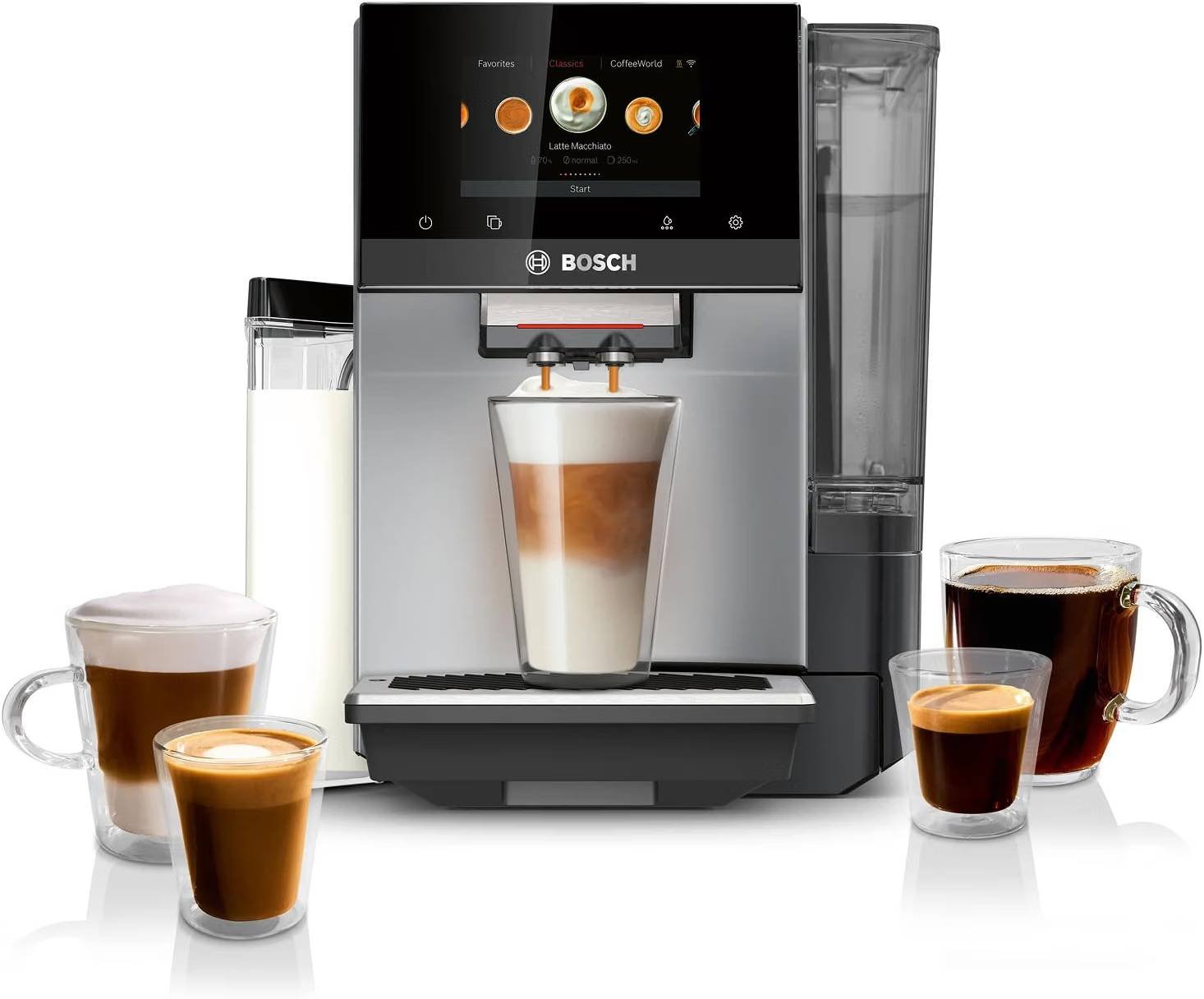
Bosch’s 800 Series VeroCafe line focuses on a large color interface, a wide drink catalog, user customization, and an integrated milk workflow. It feels closer to a guided beverage station than a traditional espresso maker, which is precisely the attraction for buyers who want repeatable results without manual puck preparation.
Several 800 Series model numbers share the same family name. Profiles, included milk container, finish, cup warmer, and connected features can differ. Treat the exact model number on Amazon as part of the buying decision rather than assuming every silver VeroCafe includes every feature advertised across the range.
WorkflowFully automatic
InterfaceLarge color touchscreen
Milk systemIntegrated automatic
What we like
Excellent on-machine guidance
Many beverage options
Useful personalization
What to consider
Premium purchase
Variant matching is essential
Less appeal for manual hobbyists
Specification source reviewed: Bosch’s official US 800 Series VeroCafe product pages. Editorial conclusions are our own.
A compact-feeling automatic machine built around easy drink personalization and switching between different beans.
Buy it ifYou frequently alternate beans or want a modern automatic machine with guided setup.
Skip it ifYou want manual milk texturing or the lowest-cost bean-to-cup option.
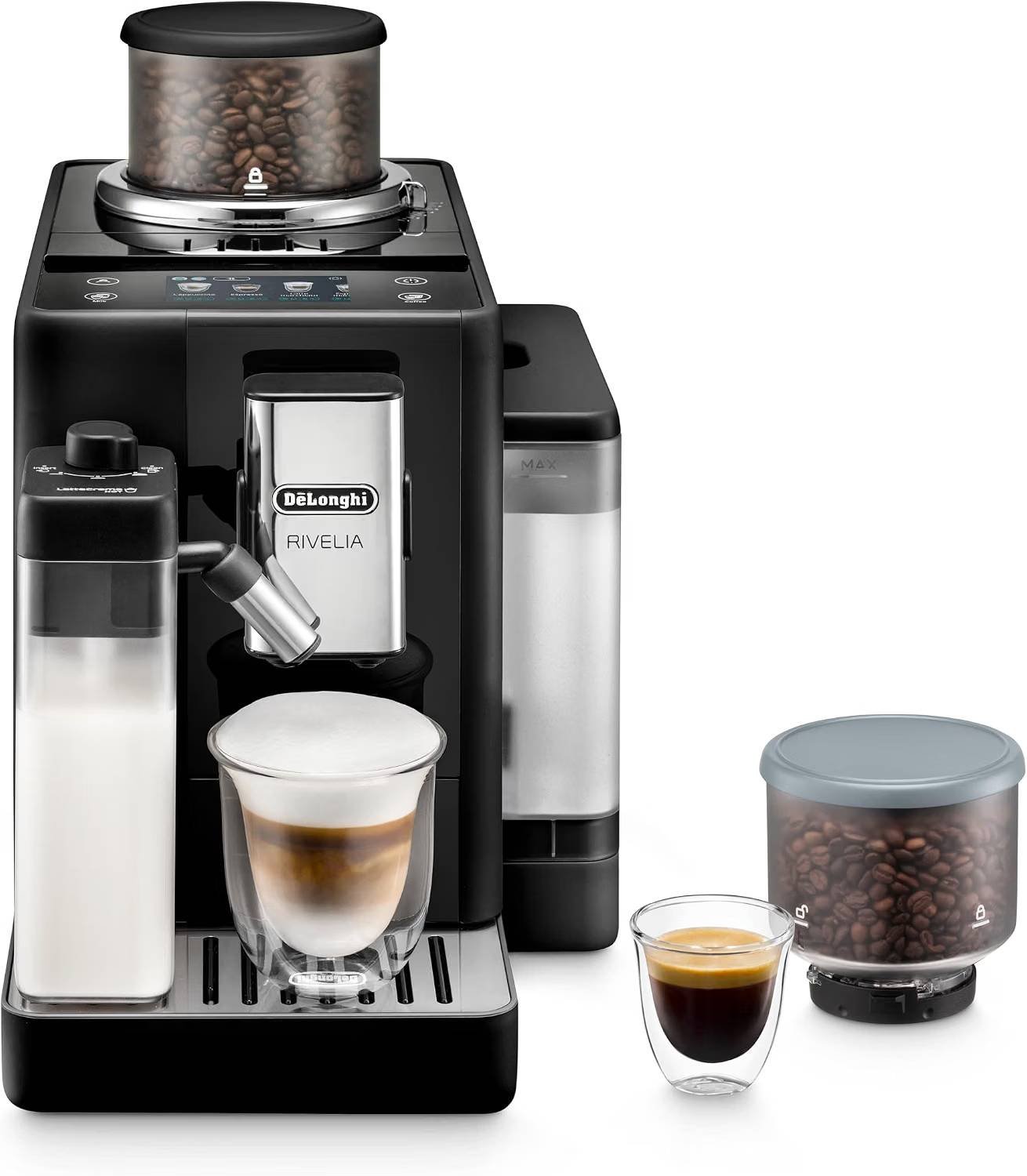
Rivelia stands out because De’Longhi designed the range around exploring different beans. That is helpful for homes that switch between regular and decaf, or between espresso blends and lighter single origins. The interface also guides drink setup, reducing the trial-and-error common with traditional machines.
There are automatic-milk and manual-frothing Rivelia configurations in different markets. The attached Amazon row specifically describes a machine with a milk frother, but buyers should still confirm the product photography, model code, and included milk hardware before purchasing.
WorkflowGuided bean-to-cup
Bean useDesigned for easy switching
Milk systemVersion dependent
What we like
Friendly bean-change concept
Modern guided controls
Good automatic-drink flexibility
What to consider
Multiple configurations exist
Proprietary workflow
Not a manual espresso experience
Specification source reviewed: De’Longhi’s official Rivelia range and US product pages. Editorial conclusions are our own.
The practical middle option in Philips’ current LatteGo family, with hot and iced presets but fewer reasons to pay flagship pricing.
Buy it ifYou want easy milk drinks and a broad everyday menu without stepping to the 5500.
Skip it ifYou need maximum recipe variety or prefer a steam wand.
The 4400 Series sits in a useful middle ground. The EP4444/90 listing combines an integrated grinder, LatteGo milk system, and a mix of hot and iced presets. It is better suited to convenience-focused buyers than to people who want to inspect and adjust every stage of extraction.
Compare it directly with the 2300 and 5500 rather than assuming the highest series number is automatically best. The 4400 can be the smarter fit when its preset menu covers your actual drinks and you would not use the extra options on the flagship model.
WorkflowOne-touch hot and iced
ModelEP4444/90
Milk systemAutomatic LatteGo
What we like
Balanced feature set
Easy milk cleanup
Useful iced-drink options
What to consider
Limited manual control
Higher cost than entry Philips models
Preset menu still model-specific
Specification source reviewed: Philips’ official Series 4400 EP4444/90 page. Editorial conclusions are our own.
An approachable first bean-to-cup machine for buyers who value uncomplicated milk cleanup and core drinks.
Buy it ifYou want a straightforward automatic machine for espresso, coffee, and milk drinks.
Skip it ifYou need many profiles, extensive recipes, or manual espresso control.
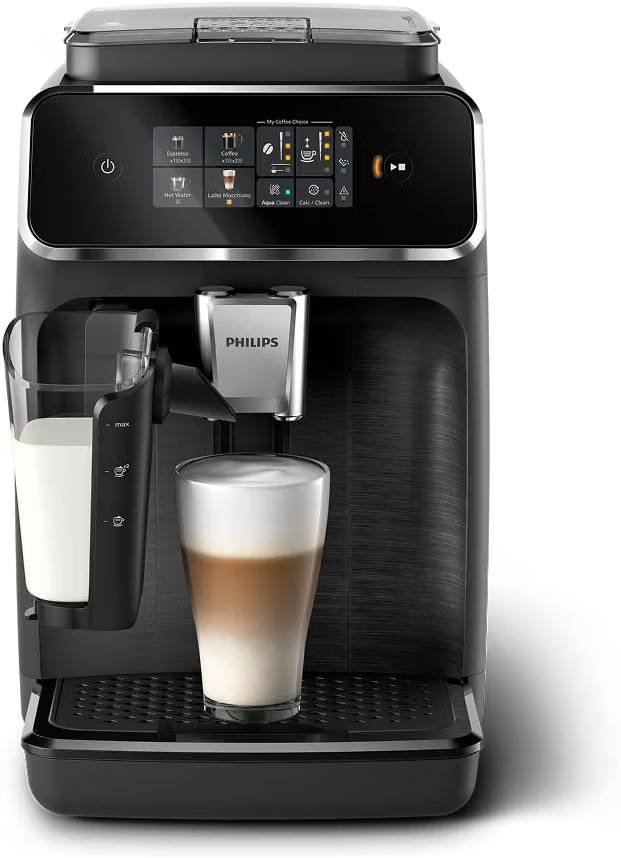
The 2300 Series is easier to justify than a flagship when your routine is simple. It keeps the core Philips bean-to-cup and LatteGo experience while avoiding a long list of specialty presets that some owners never use. Fewer choices can make the machine less intimidating on a busy morning.
The tradeoff is growth. A household that wants a wide iced menu or many saved preferences may outgrow it. Check the precise 2300 model number because beverage buttons and included accessories can vary across retailer listings.
WorkflowEntry bean-to-cup
ControlsDirect drink selection
Milk systemAutomatic LatteGo
What we like
Easy daily routine
Simple milk parts
Good first automatic machine
What to consider
Fewer recipes
Limited enthusiast control
Exact bundle can vary
Specification source reviewed: Philips’ official Series 2300 product and support pages. Editorial conclusions are our own.
A durable, traditional platform for buyers who would rather develop technique than rely on automatic drink presets.
Buy it ifYou want a conventional portafilter workflow and are willing to buy a capable grinder.
Skip it ifYou want push-button milk drinks or minimal dial-in work.
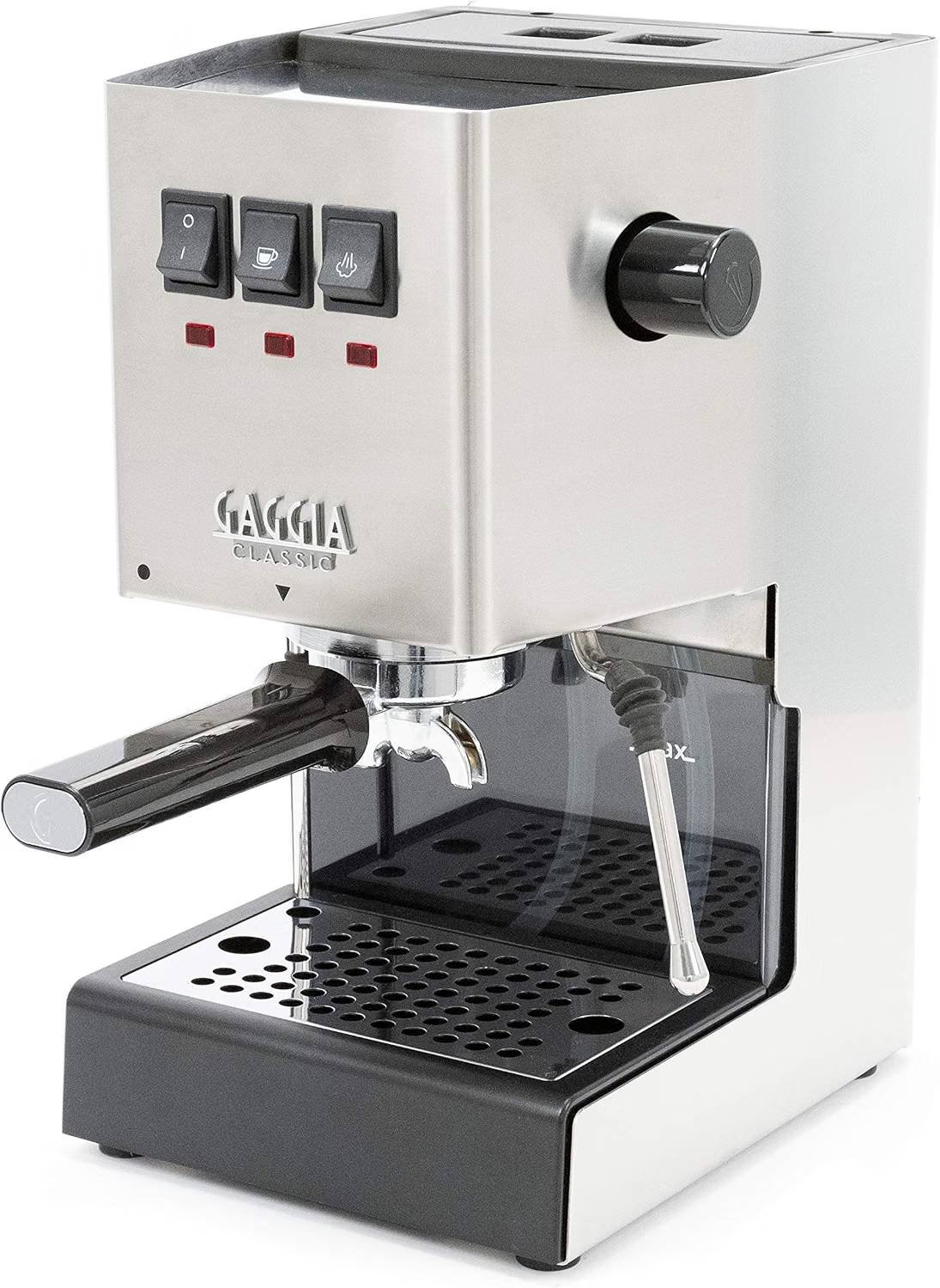
The E24 version of the Gaggia Classic Pro updates a long-running home-barista platform with a brass boiler. Its appeal is not automation. It is the directness of a standard portafilter, physical switches, and a steam wand that lets the user shape the result.
That also means the grinder matters enormously. A weak grinder will limit the machine more than another feature on the front panel. New owners should budget for an espresso-capable grinder, scale, tamper, and time to learn puck preparation.
WorkflowTraditional semi-automatic
BoilerLead-free brass on E24
Milk systemManual steam wand
What we like
Strong upgrade path
Straightforward controls
Large enthusiast community
What to consider
Grinder sold separately
Practice required
Single-boiler timing
Specification source reviewed: Gaggia North America’s official Classic Pro E24 page. Editorial conclusions are our own.
A modern guided semi-automatic with a 58 mm portafilter for buyers who want help without surrendering the craft.
Buy it ifYou want a standard-size portafilter, integrated grinder, and calibrated starter tools.
Skip it ifYou prefer one-touch milk drinks or already own a premium grinder.
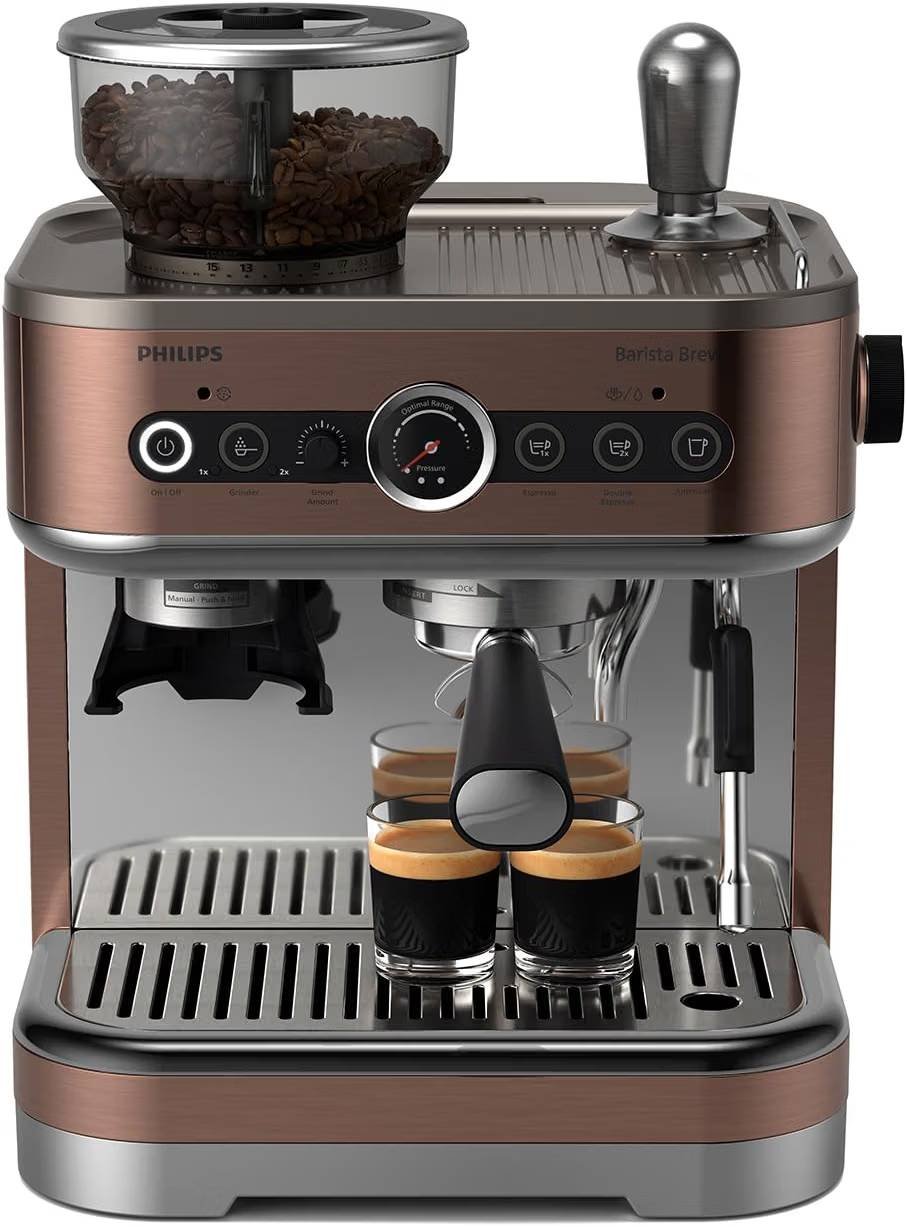
Philips describes the Barista Brew as a semi-automatic machine with intuitive guidance rather than a push-button bean-to-cup system. The PSA3228/41 uses a 58 mm stainless-steel portafilter and includes tools intended to make dosing and tamping more consistent for a new user.
It is a compelling bridge between appliance convenience and home-barista control. The drawback is that guided does not mean automatic: grind setting, distribution, tamp, shot evaluation, and milk texture still need attention.
WorkflowGuided semi-automatic
Portafilter58 mm
Milk systemManual frothing
What we like
Accessory-friendly format
Integrated grinder
Useful beginner guidance
What to consider
Still requires technique
Larger counter footprint
Not one-touch
Specification source reviewed: Philips’ official Barista Brew PSA3228/41 page and manual. Editorial conclusions are our own.
A feature-dense 58 mm all-in-one for buyers who want a grinder and dual-boiler workflow without separate appliances.
Buy it ifYou regularly prepare milk drinks and want brewing and steaming capability in one body.
Skip it ifYou prioritize a long service history, modular upgrades, or brand-wide parts support.
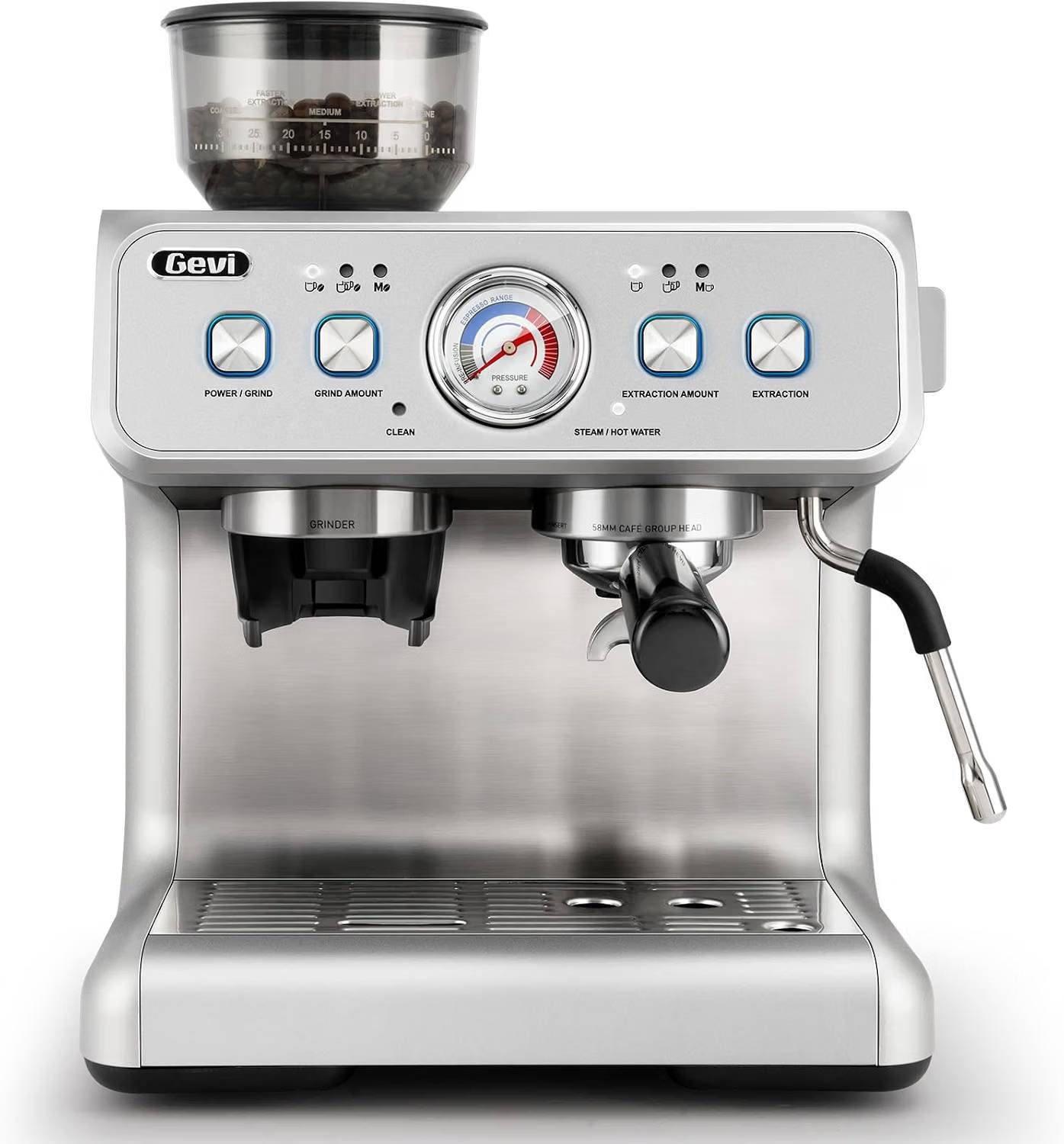
Gevi’s ECMF0 combines a 58 mm portafilter, built-in grinder, temperature-control features, and a dual-boiler layout. On paper, that addresses a common all-in-one weakness: waiting between extraction and steaming. It can make a busy milk-drink routine feel more continuous.
The sensible caution is ownership evidence. Feature lists cannot prove temperature stability, grinder consistency, or long-term repairability. Buyers should compare warranty terms and support access with the machine’s attractive hardware package.
WorkflowIntegrated dual-boiler
Portafilter58 mm
Milk systemManual steam wand
What we like
Ambitious feature mix
Integrated grinder
Better milk-drink pacing on paper
What to consider
Large and complex
Less independent long-term data
Integrated parts limit modular upgrades
Specification source reviewed: Gevi’s official BrewCombo ECMF0 product information. Editorial conclusions are our own.
A lower-step alternative to the ES701 for homes that want espresso, drip coffee, and rapid cold brew from one station.
Buy it ifYou want Ninja’s guided workflow but do not need the Pro model’s separate hot-water function.
Skip it ifYou only drink espresso or want a smaller, simpler machine.
The Premier ES601 keeps the defining three-in-one idea: guided espresso, drip coffee, and rapid cold brew. It is easier to recommend than the Pro when those three formats cover your household and the extra hot-water capability would go unused.
As with the ES701, versatility drives both value and bulk. It is not a traditional compact espresso machine. Measure the counter, overhead clearance, and space needed to remove the water tank or bean hopper before deciding.
WorkflowGuided 3-in-1
Coffee stylesEspresso, drip, cold brew
Milk systemAssisted frothing
What we like
Versatile for families
Integrated grinder
Less expensive route into Luxe Café
What to consider
Large footprint
More cleanup than espresso-only gear
Not fully automatic
Specification source reviewed: Ninja’s official Luxe Café Premier ES601 product page. Editorial conclusions are our own.
A beginner-friendly all-in-one with a large listed reservoir and enough grinder adjustment to support everyday dial-in work.
Buy it ifYou want an integrated grinder and dislike frequent water refills.
Skip it ifYour cabinets are low or you want a compact espresso-only body.
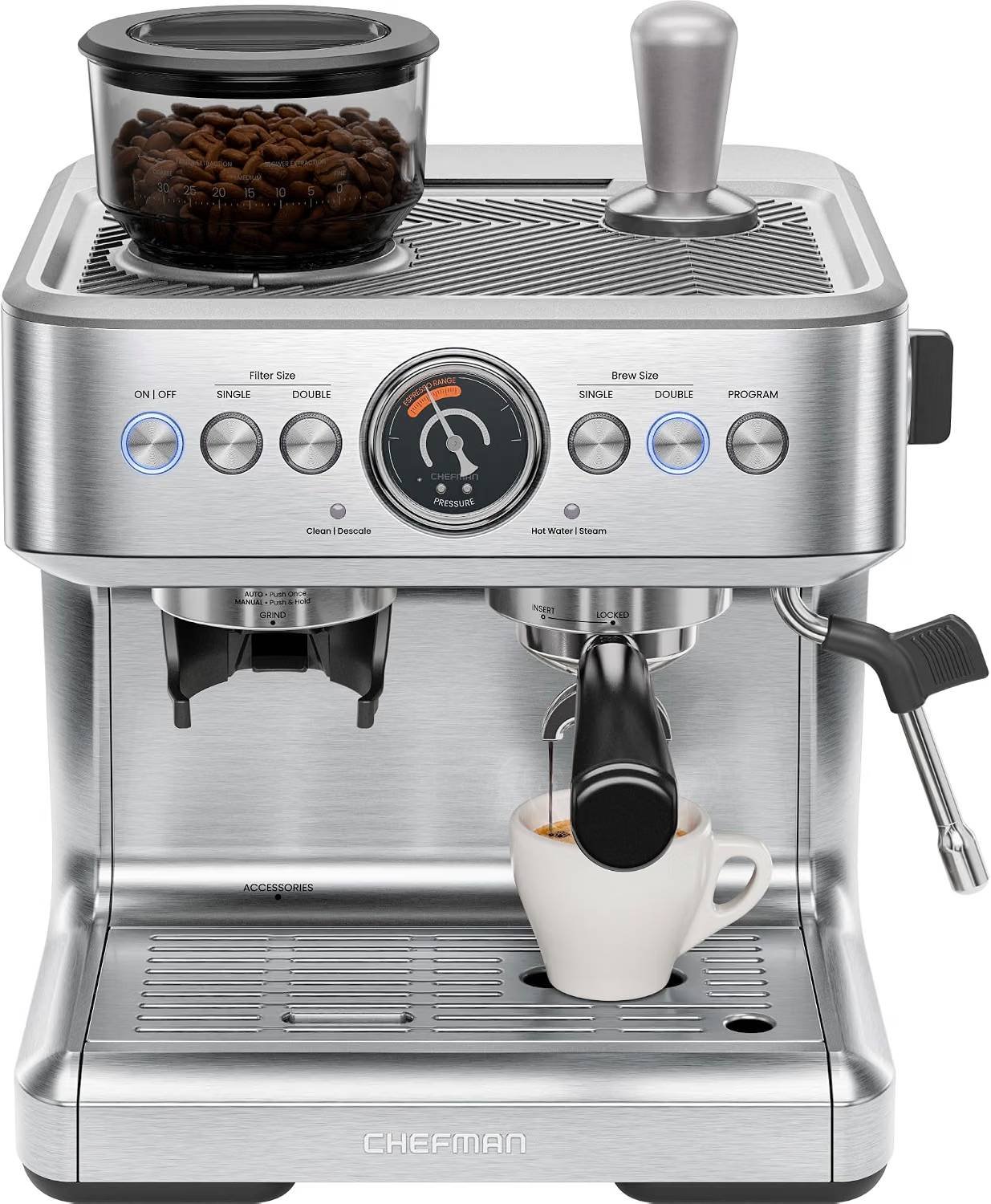
Chefman’s Crema Supreme combines the typical starter tools in one machine: an integrated grinder, programmable controls, a steam wand, and a large removable water tank. The product row identifies 30 grind settings and a 3-liter reservoir, both useful for buyers who want room to adjust and fewer interruptions.
Counter clearance is the practical check. A tall hopper plus a large tank may be awkward beneath upper cabinets. Also verify the exact portafilter and accessory dimensions before buying third-party tampers or baskets.
WorkflowAll-in-one semi-automatic
Grinder30 settings listed
Reservoir3 L listed
What we like
Generous water capacity
Useful grinder range
Complete starter workflow
What to consider
Needs vertical clearance
Manual milk learning curve
Accessory size should be confirmed
Specification source reviewed: Chefman’s official Crema Supreme product and support pages. Editorial conclusions are our own.
A value-oriented machine with an ambitious 58 mm, grinder, and steam-wand package that deserves careful model verification.
Buy it ifYou want many home-barista features in one purchase and accept a less established track record.
Skip it ifYou prioritize long-term service history or already own a grinder.
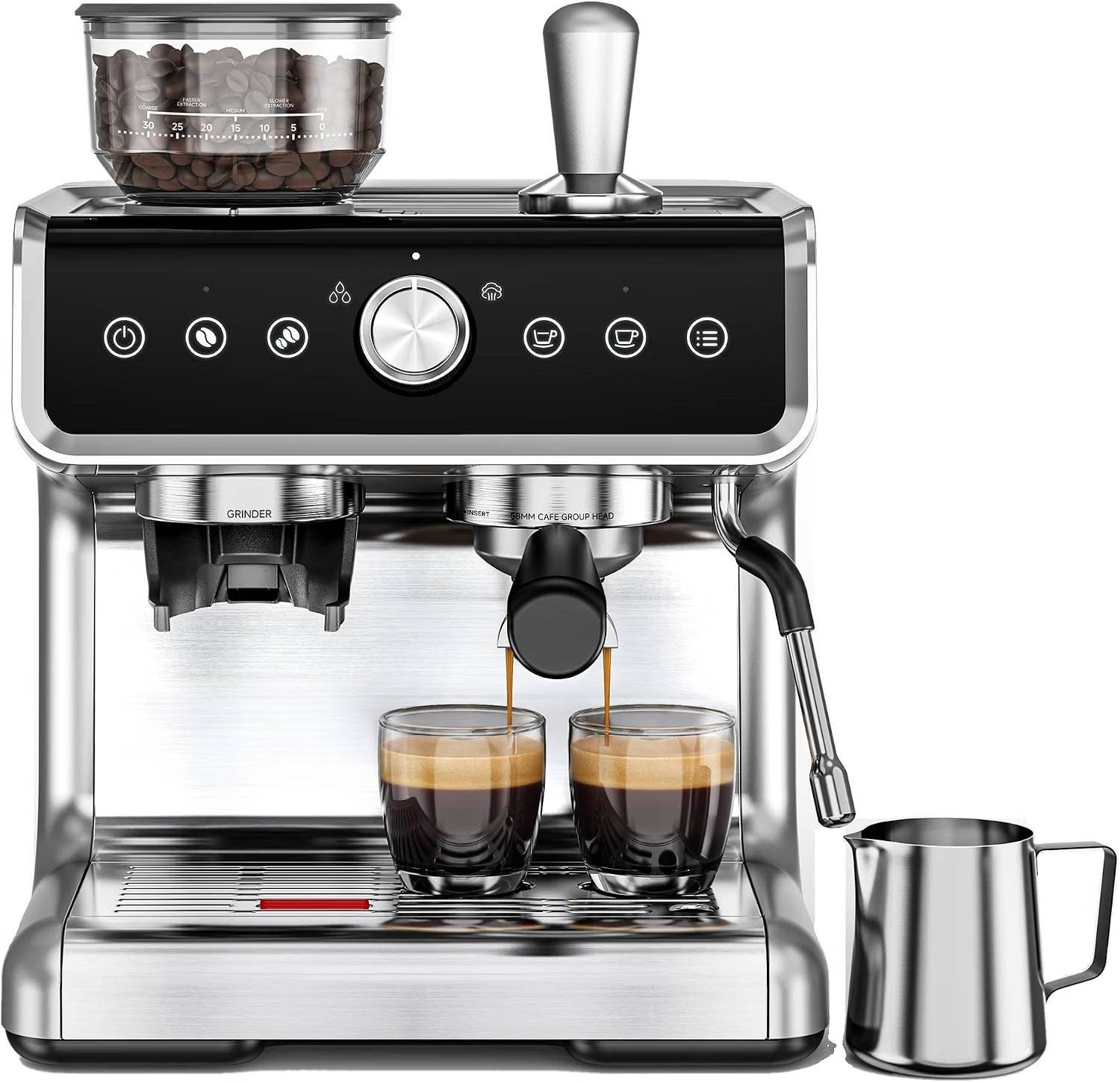
EUHOMY’s current product information describes a built-in grinder, touch controls, a 58 mm portafilter, and manual milk frothing. That is a strong checklist for the price-focused buyer who wants to learn a conventional workflow without assembling separate equipment.
The ranking stays below more established machines because a specification sheet does not establish consistency or longevity. Confirm the exact Amazon revision, warranty route, replacement-part availability, and return policy before treating the feature list as equivalent to a mature platform.
WorkflowAll-in-one semi-automatic
Portafilter58 mm listed
Milk systemManual steam wand
What we like
Competitive feature mix
Integrated grinder
Accessory-friendly size on listed model
What to consider
Less long-term evidence
Revision matching matters
Service network is less established
Specification source reviewed: EUHOMY’s official espresso-machine product and support pages. Editorial conclusions are our own.
A compact all-in-one route to a 58 mm workflow with an integrated grinder and straightforward button-plus-screen controls.
Buy it ifYou want a standard-size portafilter and grinder without moving to the dual-boiler ECMF0.
Skip it ifYou make many back-to-back milk drinks or want established resale value.
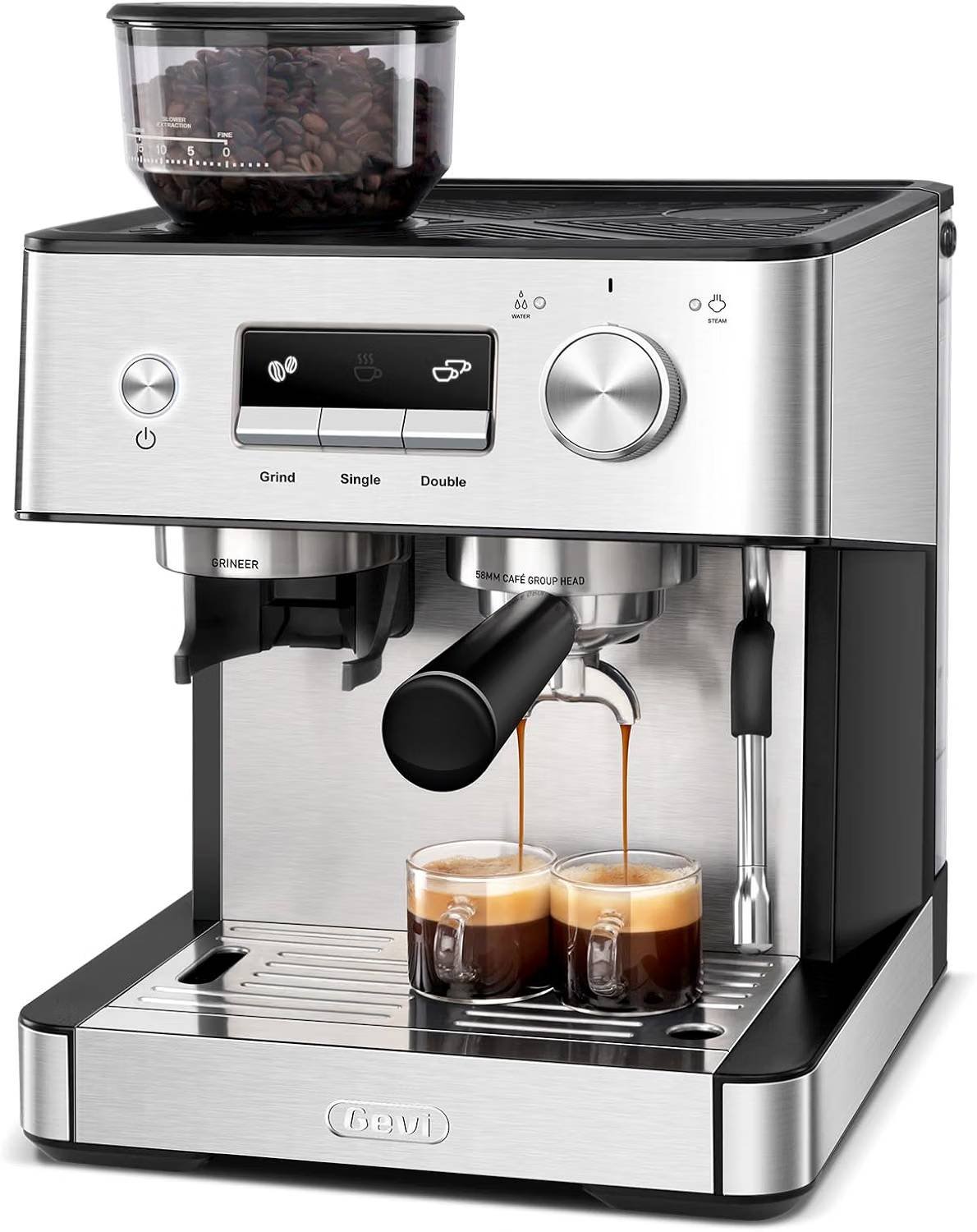
Gevi’s official comparison material identifies the ECMI0 as an all-in-one single-boiler machine with a 58 mm group and a 30-step grinder. That puts it in direct competition with other beginner-friendly integrated systems while offering a more universal portafilter format.
Single-boiler machines normally ask the user to switch between brewing and steaming rather than doing both together. This is manageable for one or two drinks, but busy households should compare it with a true dual-boiler design.
WorkflowSingle-boiler all-in-one
Portafilter58 mm listed
Grinder30 steps listed
What we like
Standard-size portafilter
Integrated grinder
Compact all-in-one logic
What to consider
Sequential milk workflow
Less ownership history
Confirm exact listing revision
Specification source reviewed: Gevi’s official ECMI0 lineup and comparison information. Editorial conclusions are our own.
A feature-led all-in-one whose listed grinder range is attractive, provided the buyer confirms the exact Amazon model carefully.
Buy it ifYou want broad grinder adjustment in one machine and are comfortable checking model details.
Skip it ifYou need a well-documented service ecosystem or proven long-term platform.
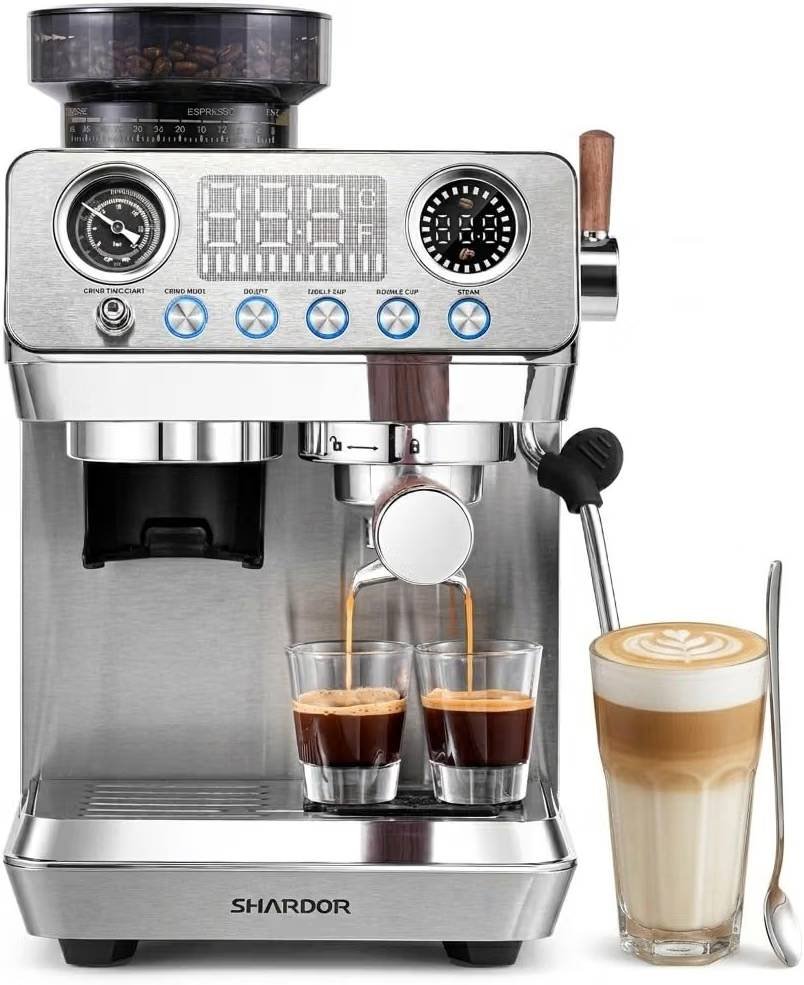
The supplied product row highlights a built-in grinder with 45 settings, giving this SHARDOR a strong on-paper dial-in story. That can help when beans age or when a household switches between roasts that need different grind positions.
Documentation is the reason it ranks lower. SHARDOR sells several similarly named espresso machines, and official pages do not always make retailer-model matching easy. Verify the grinder count, portafilter size, included baskets, and warranty route shown on the live Amazon listing.
WorkflowAll-in-one semi-automatic
Grinder45 settings listed
Milk systemManual steam wand
What we like
Broad listed grinder range
One-machine setup
Good feature value on paper
What to consider
Model matching can be difficult
Fewer independent references
Accessory fit needs confirmation
Specification source reviewed: SHARDOR’s official espresso-machine information and the supplied product listing title. Editorial conclusions are our own.
An unusual middle ground: automatic grinding and brewing paired with a manual wand for people who still want control over milk.
Buy it ifYou want push-button espresso but prefer to texture milk yourself.
Skip it ifYou expect a fully automatic milk carafe or extensive user profiles.
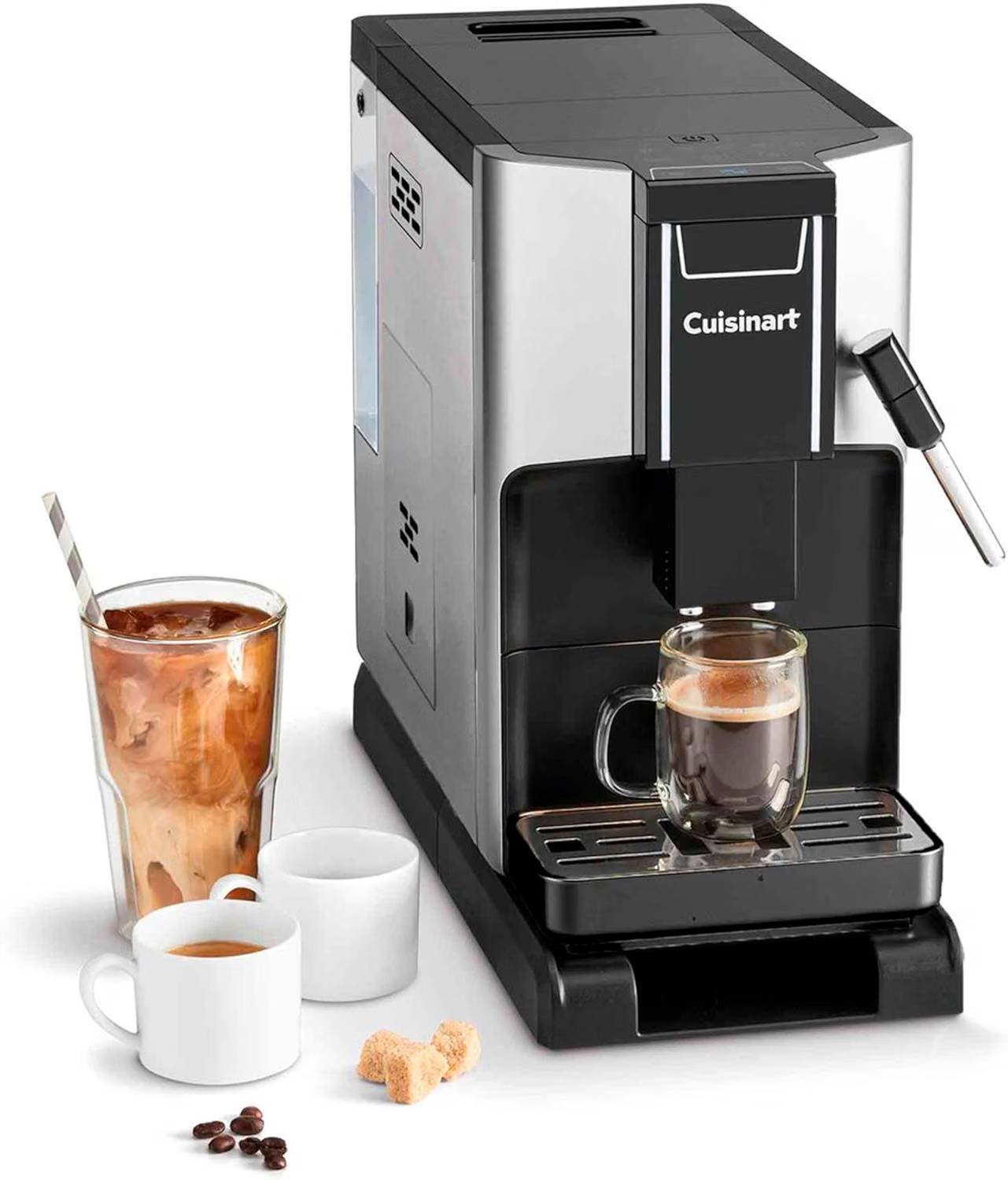
The EM-550 automates the bean-to-cup espresso path while keeping a steam wand for milk. Cuisinart also promotes hot and cold espresso-based drinks, making it relevant to buyers who switch seasonally between cappuccinos, americanos, and iced beverages.
The hybrid workflow needs to be understood correctly. Espresso preparation is automatic, but milk drinks still require a pitcher and technique. That is an advantage for someone who dislikes fixed foam, and a disadvantage for someone seeking a single button from beans to latte.
WorkflowAutomatic coffee, manual milk
GrinderIntegrated conical
Drink styleHot and cold espresso
What we like
Flexible hybrid workflow
Integrated grinder
Cold-extraction option
What to consider
Milk requires manual work
Fewer profile features
Newer platform with less history
Specification source reviewed: Cuisinart’s official Espresso Bar EM-550 page. Editorial conclusions are our own.
A straightforward entry super-automatic for people who want fresh-bean espresso and coffee without a complicated recipe screen.
Buy it ifYour routine centers on espresso, coffee, and occasional manually frothed milk.
Skip it ifYou want one-touch lattes, iced presets, or many saved drinks.
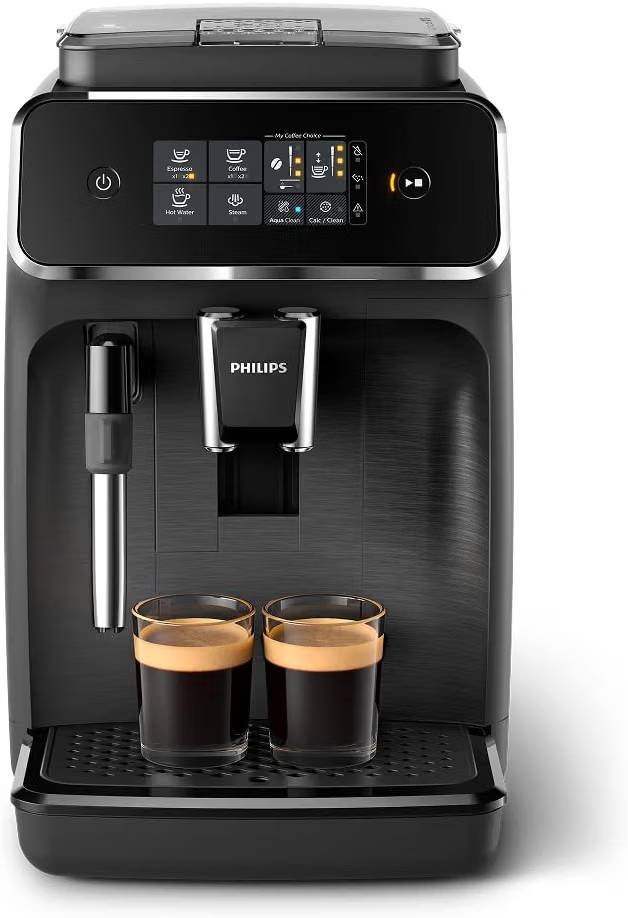
Philips’ official EP2220 material centers on two core coffee beverages, a touch display, and a classic milk frother. That simplicity can be a virtue. There are fewer menus to navigate, and the manual frother has only a small number of parts to clean.
It is not the best value if you immediately want automatic cappuccinos. Compare the full cost of the 2200 plus your time frothing milk against a 2300 LatteGo or another entry automatic-milk machine.
WorkflowBasic bean-to-cup
BeveragesTwo core coffee choices
Milk systemClassic manual frother
What we like
Simple controls
Easy-to-understand milk wand
Established Philips platform
What to consider
Small drink menu
No automatic milk
Routine brew-group maintenance
Specification source reviewed: Philips’ official Series 2200 EP2220/14 page and support documents. Editorial conclusions are our own.
A compact, established super-automatic for buyers who want Gaggia’s basic bean-to-cup workflow without a milk carafe.
Buy it ifCounter width is limited and you are comfortable frothing milk manually.
Skip it ifYou need a large tank, modern touch display, or automatic cappuccinos.
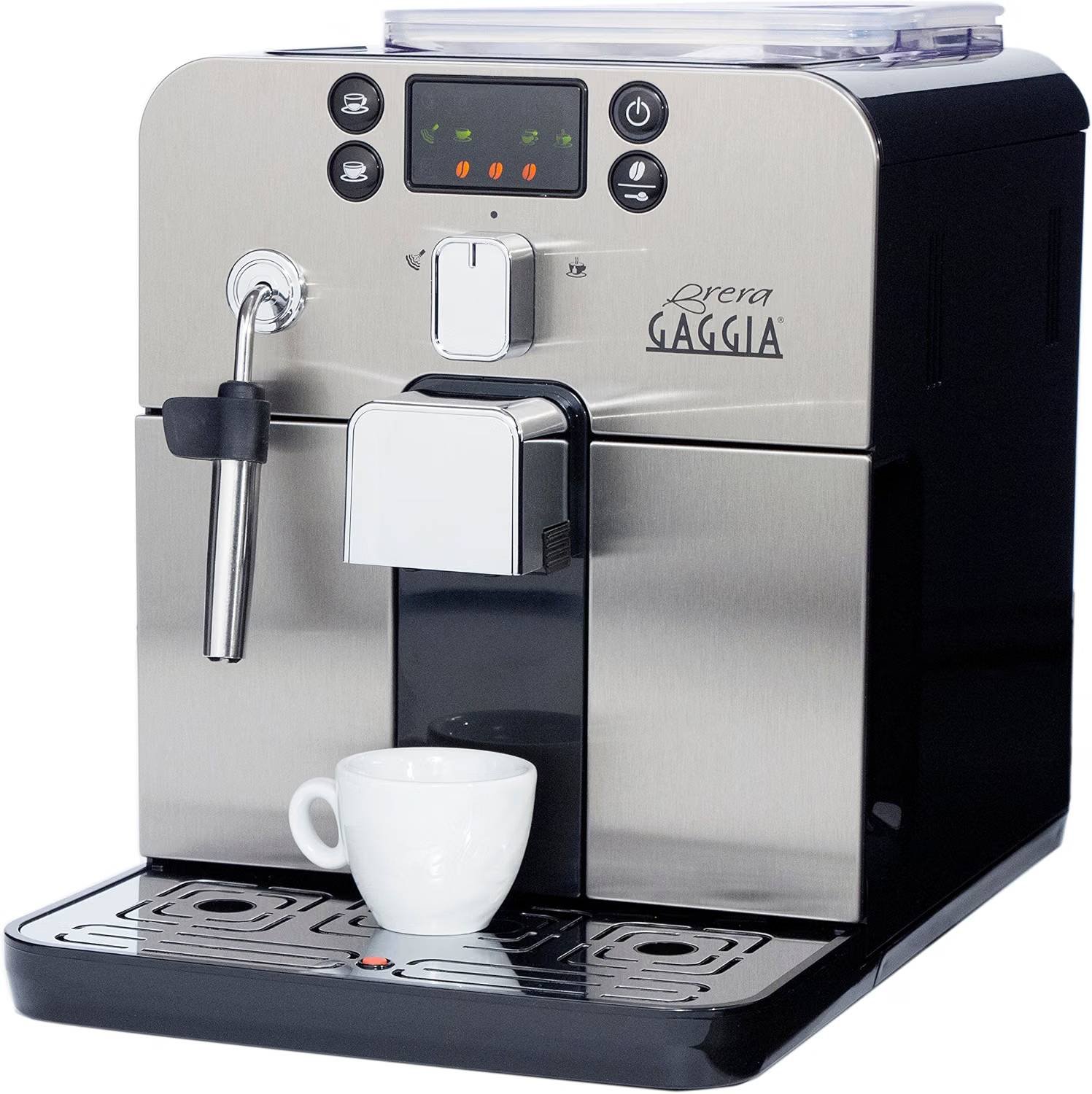
The Brera has remained relevant because it packages grinding and automatic espresso brewing into a relatively compact body. Its front-access approach can also be useful under cabinets, depending on the final placement.
Age shows in the controls and capacity. Newer machines offer richer displays and broader menus. The Brera makes more sense for a buyer who values a simple established platform than for someone comparing feature counts.
WorkflowCompact super-automatic
Capacity40 fl oz listed
Milk systemManual frothing wand
What we like
Compact footprint
Established model
Straightforward espresso workflow
What to consider
Dated interface
More frequent refilling
Milk is manual
Specification source reviewed: Gaggia North America’s current Brera collection and support material. Editorial conclusions are our own.
A slim super-automatic for people who want programmed coffee volume while retaining manual control over milk.
Buy it ifYou want an automatic coffee core and do not mind steaming milk yourself.
Skip it ifYou need a low machine for shallow cabinets or one-touch milk drinks.
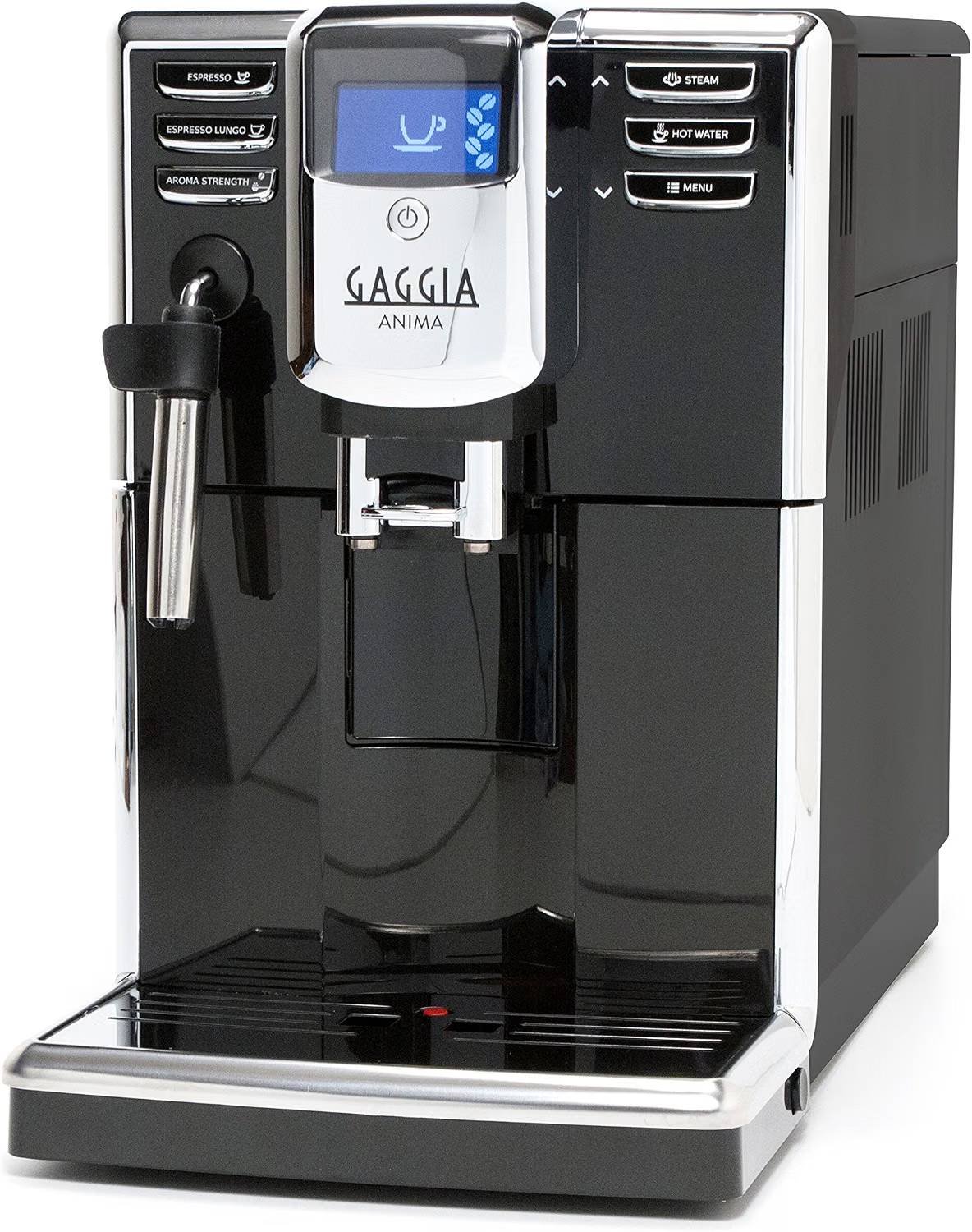
The Anima moves beyond the Brera with programmable options while keeping a manual milk wand. That is a useful combination for someone who wants repeatable coffee volumes but prefers to decide how much foam goes into a cappuccino or latte.
Measure height as well as width. Narrow super-automatics can still need overhead room for the bean hopper and service access. Also confirm whether the Amazon listing is the manual-wand Anima rather than an Anima Prestige configuration.
WorkflowProgrammable super-automatic
BodySlim, relatively tall
Milk systemManual steam wand
What we like
Programmable coffee
Manual milk flexibility
Narrow footprint
What to consider
Needs overhead clearance
Older menu design
Not one-touch milk
Specification source reviewed: Gaggia North America’s Anima product and manual resources. Editorial conclusions are our own.
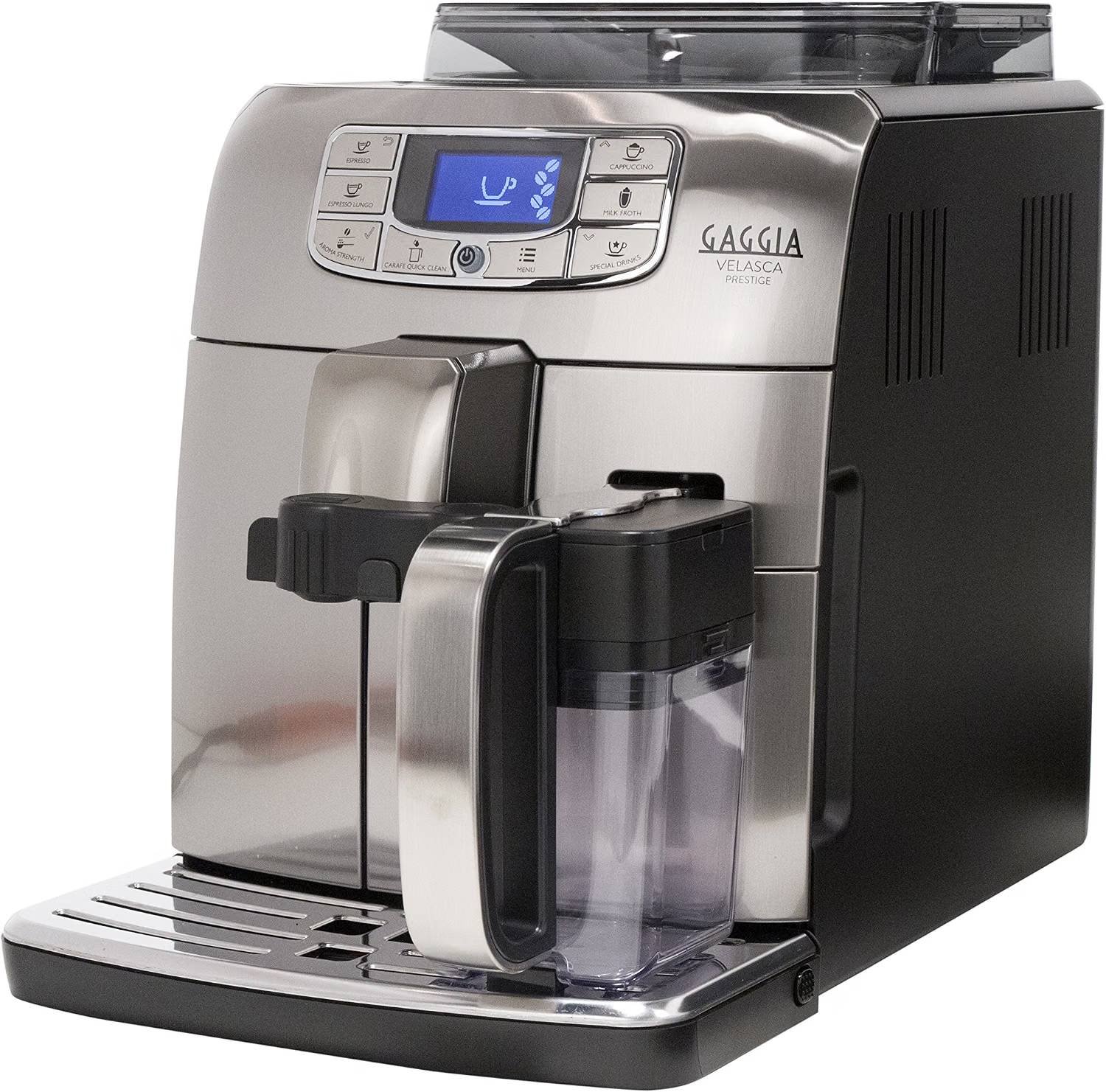
A proven Gaggia-style automatic milk workflow for buyers who care more about direct drink buttons than a modern app-like interface.
Buy it ifYou want one-touch milk drinks and an established removable-carafe design.
Skip it ifYou prefer a large color screen, connected controls, or current-generation styling.
Gaggia describes the Velasca Prestige around dedicated drink buttons, a milk carafe, and adjustable aroma settings. It can suit a buyer who wants cappuccino convenience without learning a steam wand.
Its interface belongs to an earlier generation than the Bosch 800 or newer De’Longhi machines. That is not automatically a quality problem, but it changes the experience. Compare ease of cleaning, replacement carafe availability, and current warranty coverage before choosing an older platform.
WorkflowOne-touch super-automatic
Reservoir54 oz listed
Milk systemAutomatic carafe
What we like
Dedicated milk drinks
Adjustable coffee strength
Established Gaggia platform
What to consider
Older interface
Carafe adds cleaning
Check current parts availability
Specification source reviewed: Gaggia North America’s Velasca Prestige collection and manual pages. Editorial conclusions are our own.
A 58 mm semi-automatic choice for buyers who prefer a separate grinder and a modular upgrade path.
Buy it ifYou already own, or plan to choose, a dedicated espresso grinder.
Skip it ifYou want an integrated bean hopper or one-touch drinks.
This Gevi takes the opposite approach from the company’s all-in-ones. The separate-grinder workflow lets the owner upgrade grinding without replacing the espresso machine, while the 58 mm format opens a wider accessory market.
Gevi currently sells more than one white 58 mm machine. Match the Amazon model, controls, and included baskets to the exact official page rather than assuming every white Gevi shares the same PID, display, or pressure-control package.
WorkflowModular semi-automatic
Portafilter58 mm
GrinderSold separately
What we like
Modular upgrade path
Standard accessory size
Clean white finish
What to consider
Requires grinder budget
Model matching needed
Manual technique required
Specification source reviewed: Gevi’s official 58 mm semi-automatic product information. Editorial conclusions are our own.
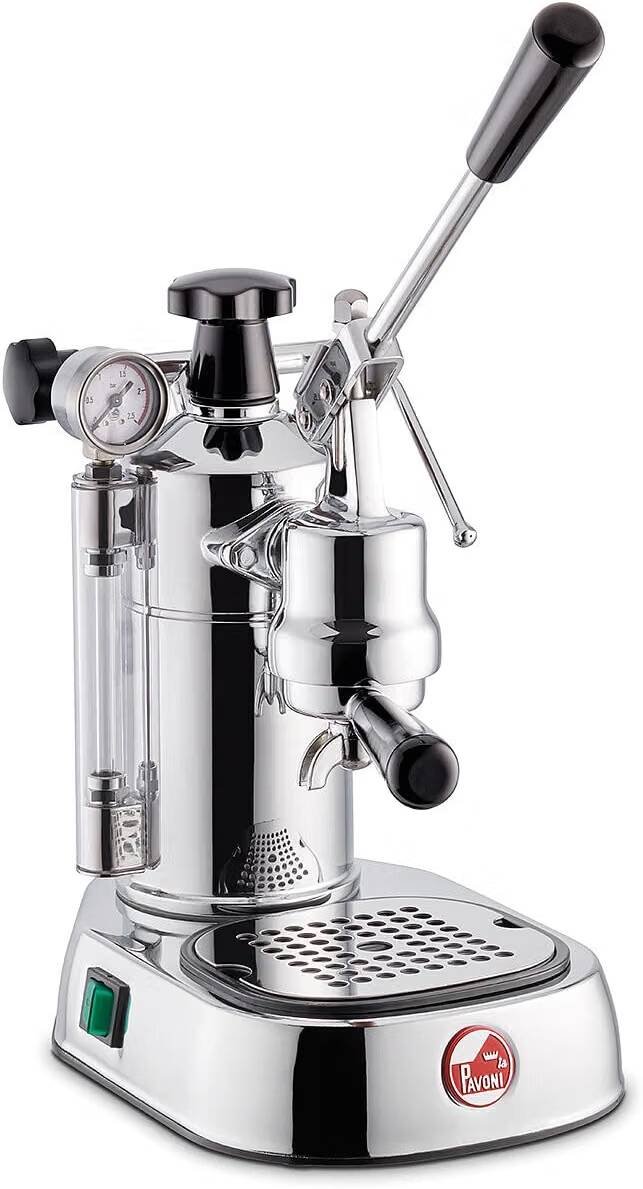
A mechanical, design-led lever machine for enthusiasts who want the ritual and feedback of pulling a shot by hand.
Buy it ifYou value tactile control, classic construction, and are prepared to learn heat management.
Skip it ifYou want fast repeatability, child-friendly surfaces, or push-button convenience.
La Pavoni’s Professional line is fundamentally different from automatic and pump machines above it. The user raises and lowers the lever to control the extraction, while boiler temperature and puck preparation demand attention. For the right owner, that involvement is the product rather than an inconvenience.
The PC-16 is not a casual recommendation. Lever technique, grinder quality, preheating, and safe handling of hot metal all matter. Read the manual before use and allow room around the machine rather than placing it where children can reach exposed hot components.
WorkflowDirect manual lever
Boiler1.6 L family specification
GrinderSold separately
What we like
Exceptional tactile control
Iconic design
Mechanical simplicity
What to consider
Demanding technique
Temperature management
Hot surfaces require care
Specification source reviewed: La Pavoni’s official Professional Lusso range and PC documentation. Editorial conclusions are our own.
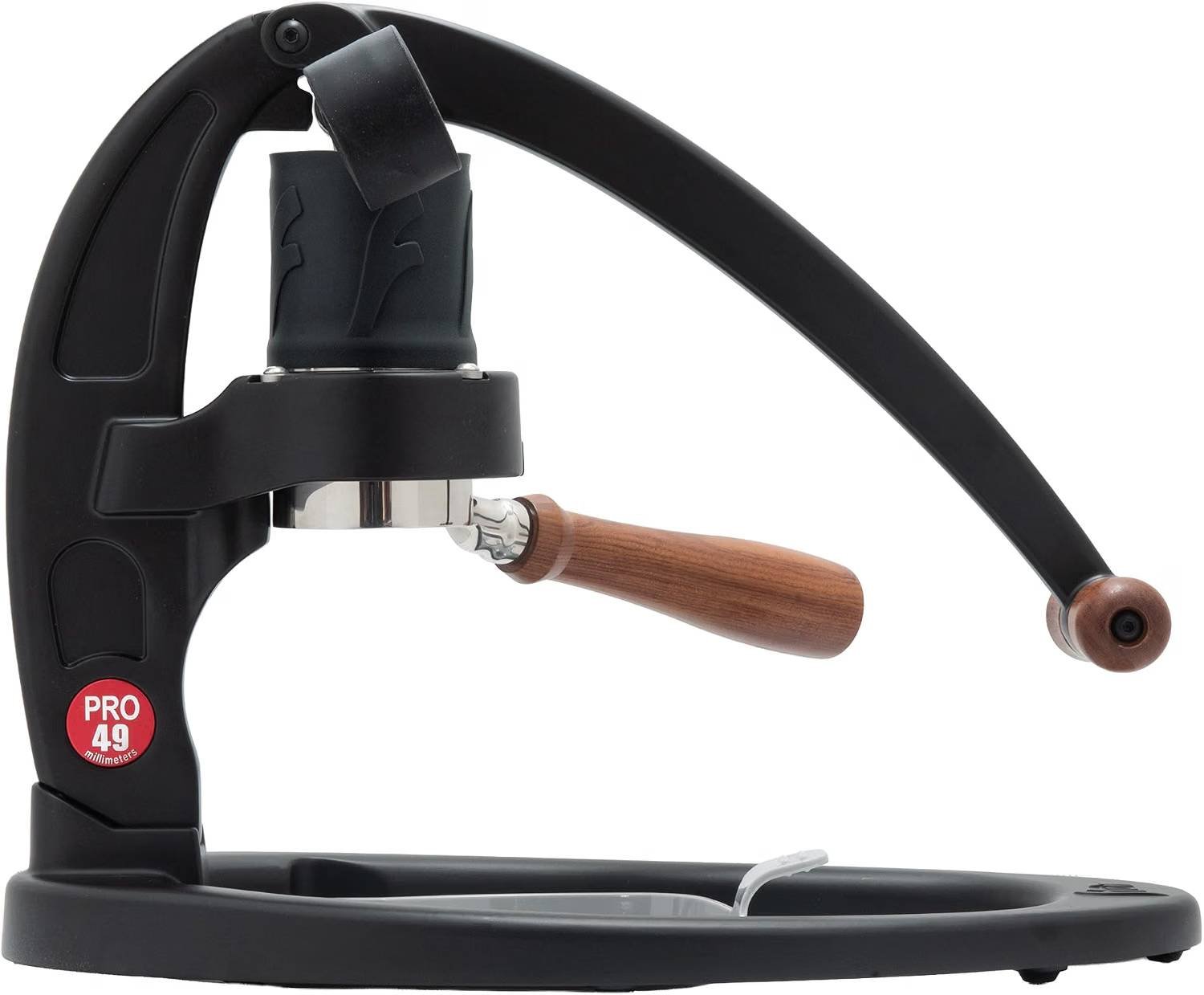
A fully manual espresso tool for people who want direct pressure control without electronics in the machine itself.
Buy it ifYou enjoy weighing, preheating, and controlling every extraction variable.
Skip it ifYou need integrated milk steaming or a fast shared-household routine.
Flair calls the 49 PRO its advanced all-manual system, built around a handled 49 mm portafilter and direct lever pressure. It is appealing for methodical espresso drinkers because the user can see and shape the extraction rather than relying on a programmed pump curve.
The complete station needs more than the lever. Budget for an espresso grinder, kettle, scale, and a separate milk solution if you drink lattes. Its workflow is deliberate and rewarding, but not convenient for several hurried drinks in a row.
WorkflowAll-manual lever
Portafilter49 mm handled system
Milk systemNot included
What we like
Direct pressure control
No machine electronics
Compact compared with boiler machines
What to consider
Several accessories required
Preheating adds steps
No built-in steam
Specification source reviewed: Flair Espresso’s official 49 PRO product page and manual. Editorial conclusions are our own.
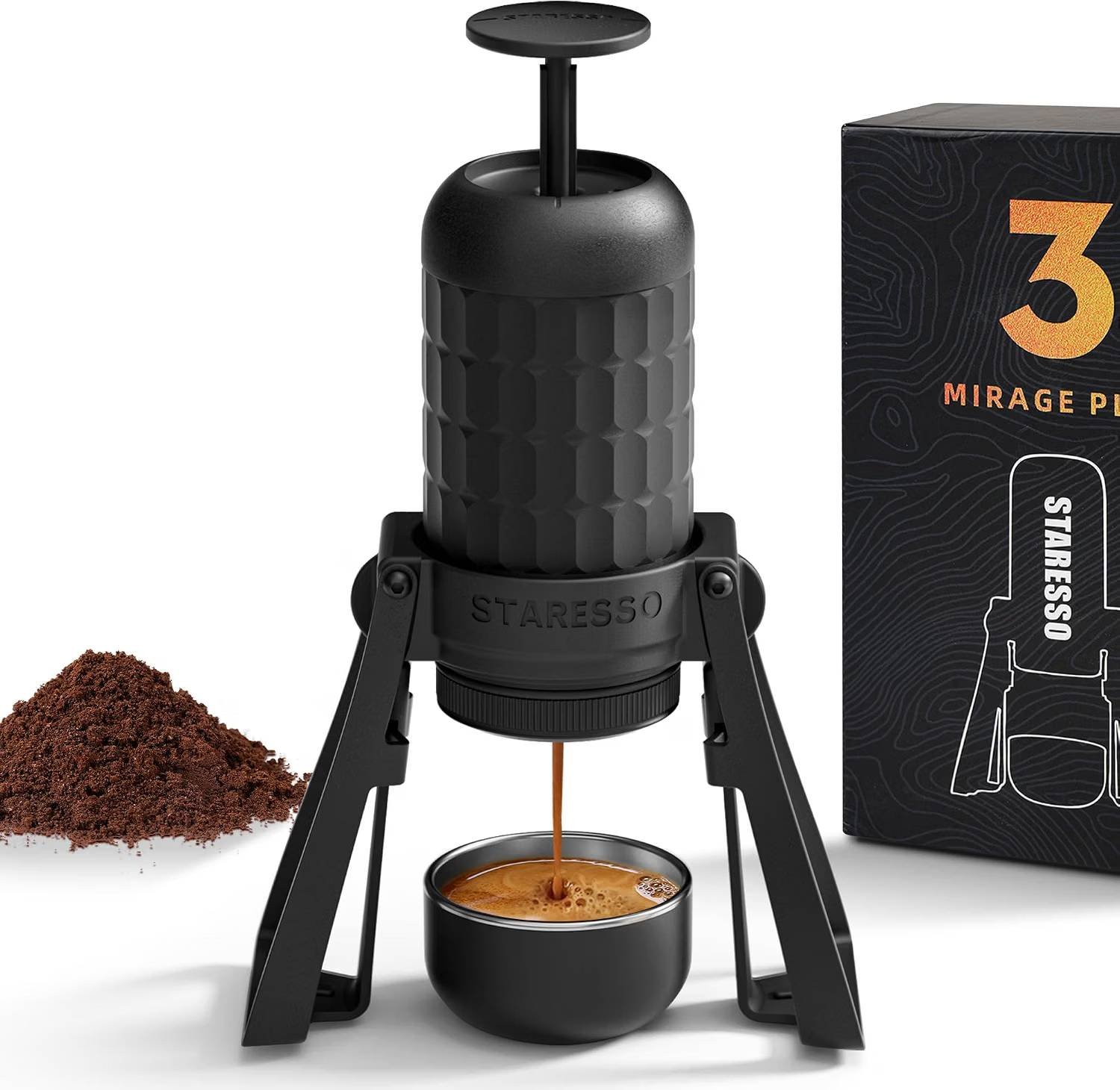
A compact hand-powered choice for travel, offices, or buyers who prioritize portability above speed and milk capability.
Buy it ifYou want a packable manual brewer and can supply hot water separately.
Skip it ifYou make several drinks at once or expect countertop-machine convenience.
The SP300 Plus closes the list because it answers a different need from the other machines. It is manually powered and portable, so it can make concentrated coffee away from a full espresso station when hot water and suitable grounds are available.
Portability brings obvious limits. There is no built-in grinder, boiler, or steam wand, and repeated preparation is slower than using a countertop machine. Treat it as a travel tool or compact secondary brewer rather than a direct replacement for the top-ranked systems.
WorkflowHand-powered portable
HeatExternal hot water required
Milk systemNot included
What we like
Highly portable
No electricity for pumping
Useful secondary brewer
What to consider
Small-batch workflow
External kettle needed
No milk steaming
Specification source reviewed: STARESSO’s official SP300 Plus product page. Editorial conclusions are our own.
A super-automatic espresso machine handles grinding and brewing inside the machine. A semi-automatic asks you to prepare the portafilter and evaluate the shot. Choose based on the routine you want, not the sophistication you think you should want.
Automatic milk is quick and repeatable but adds tubes or carafe parts. A steam wand requires practice and gives more control. Decide whether milk texture is a craft you want to learn or a task you want the machine to finish.
54 mm, 58 mm, or proprietary?
Portafilter size affects accessory choice more than basic quality. A 58 mm system offers a broad third-party ecosystem. Read our espresso portafilter guide before buying tampers, baskets, or bottomless handles.
Single boiler or dual boiler?
A single-boiler espresso machine usually brews and steams in sequence. Dual-boiler designs better suit back-to-back milk drinks, but they cost more and add internal complexity.
Water and maintenance?
Scale can shorten machine life and change taste. Follow the manufacturer’s filter and descaling instructions, and use our coffee water-filtration guide to understand hardness before choosing a filter.
What accessories are truly required?
Semi-automatic buyers may need a scale, grinder, tamper, milk pitcher, knock box, and cleaning tools. Our espresso tamping guide explains the puck-preparation basics without turning the process into a shopping list.
Frequently asked questions
Common questions before buying an espresso machine
What is the best espresso machine overall?
For a buyer who wants to learn hands-on espresso without purchasing a separate grinder immediately, the Breville Barista Express is our starting recommendation. The better choice changes if you prioritize one-touch milk drinks, a dual boiler, manual leverage, or portability.
What is the easiest espresso machine to use?
Fully automatic machines such as the Philips 5500, De’Longhi Dinamica Plus, Bosch 800 Series, and Philips 2300 reduce the most manual work. You still need to fill, empty, rinse, and clean them.
Do I need a separate grinder?
Only if the machine lacks one or you want better control and upgrade flexibility. Traditional semi-automatic and lever machines depend heavily on grinder quality. Integrated machines are simpler but tie the grinder and brewer into one purchase.
Is 20 bar better than 15 bar?
No. The pump’s maximum rating is not the same as pressure at the coffee puck, and a bigger marketing number does not guarantee better espresso. Temperature, grind, dose, distribution, and controlled extraction matter more.
Can an espresso machine make regular coffee?
Some hybrid machines, including the Ninja Luxe Café models, make drip-style coffee. Many espresso machines can make an Americano by adding hot water to espresso, but that is not the same brewing method as drip coffee.
How long does it take to learn a semi-automatic machine?
Most beginners can produce drinkable coffee quickly, but consistency takes practice. Start with fresh beans, a repeatable dose, a scale, and the steps in our guide to using an espresso machine.
What parts need regular cleaning?
Typical tasks include rinsing the brew group or portafilter, purging the milk system, emptying the drip tray and grounds container, and descaling according to water hardness. Review our overview of espresso machine parts to understand what each component does.
Should I buy from the highest-ranked model only?
No. Rank number is a starting point, not a universal score. Choose the machine whose workflow, drink type, maintenance, size, and learning curve match your household.
Recommended next
Continue your research
Compare espresso-machine types, brewing workflows, maintenance, and home-barista equipment.