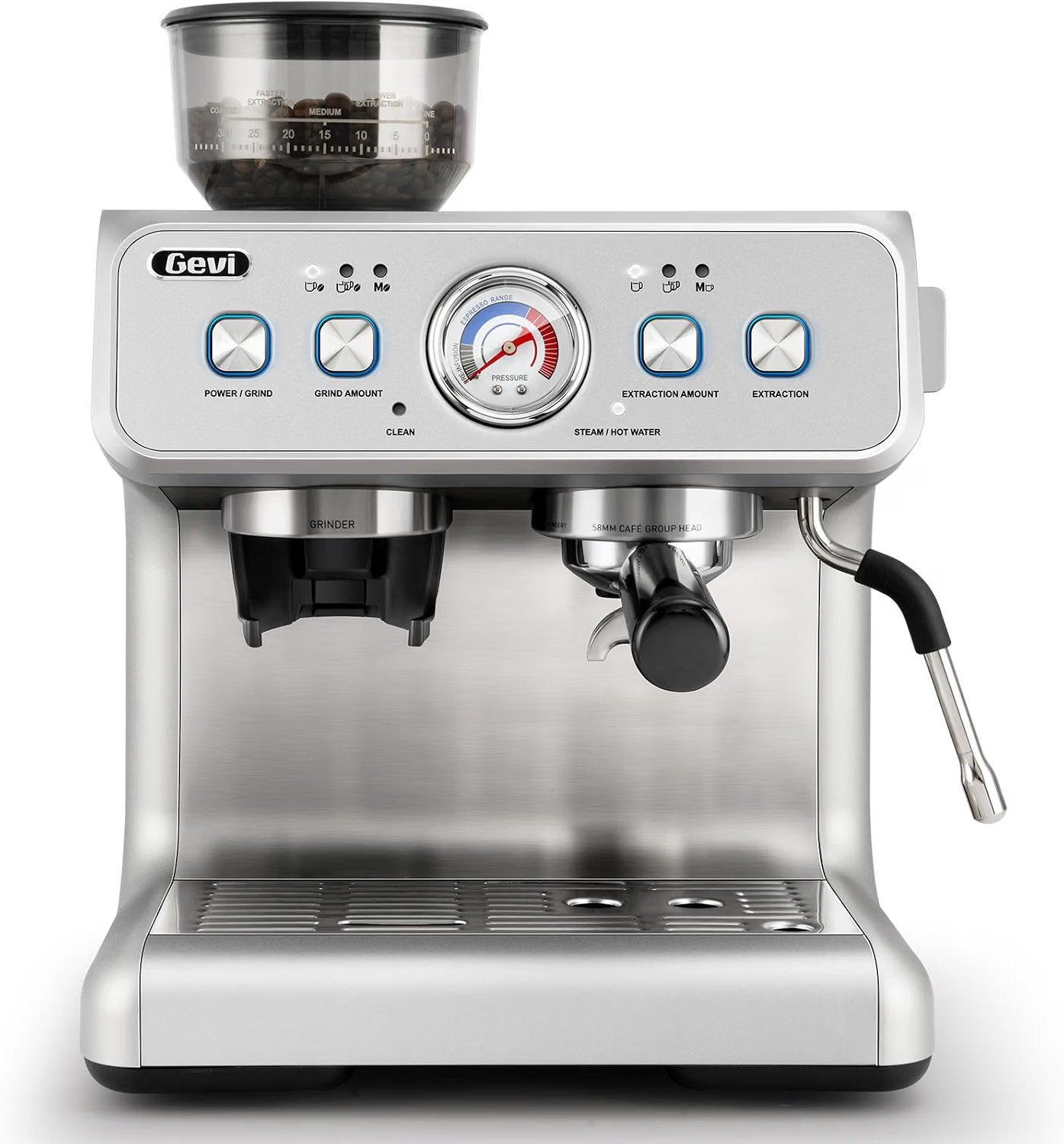
Dual Boiler Espresso Machine: What It Does & Who Should Buy One
A dual-boiler setup is mainly about workflow: keeping espresso brewing and milk steaming ready at the same time. This guide explains the real benefit, the tradeoffs, and the one explicitly dual-boiler machine in our current product list.
John CrestaniEspresso Equipment Specialist
Last Updated
The short version
Is a dual boiler espresso machine worth it?
A dual boiler espresso machine is most useful when you make milk drinks often and want to brew espresso and steam milk without waiting for one heating system to change temperature. It can also make temperature management easier on machines designed around separate brew and steam heating circuits. If you mostly drink straight espresso, make one drink at a time, or prioritize a lower price and smaller footprint, a single boiler espresso machine may be the smarter fit.
Testing transparency: This is a research-based guide using the product list supplied for EspressoFinder.com and current manufacturer documentation. It is not a hands-on laboratory test. GEVI’s current documentation describes its model as “Dual-Boiler” while also referring to a thermoblock in its temperature-control explanation, so buyers who specifically want two traditional boilers should confirm the exact internal architecture of the Amazon variant before ordering.
How we evaluated
Dual boiler value is about workflow, not the label alone
We looked for the things that materially change ownership: whether brewing and steaming can be handled without the usual temperature-switching delay, how precisely the brew side is controlled, whether the grinder is included, how standard the portafilter format is, and how much cleaning and counter space the machine asks from you. Manufacturer specifications describe listed features, not independently measured performance.
Brew + steam workflowCan the machine support espresso extraction and milk steaming without the normal single-heater wait?
Temperature controlLook for clear information about PID, sensors, and separate heating functions rather than relying on pump-bar marketing.
Dial-in systemA built-in grinder simplifies setup; a separate grinder can offer more control and easier upgrades.
Ownership frictionWe consider water capacity, 58 mm accessory compatibility, cleaning, footprint, and documentation clarity.
Dual boiler espresso machine at a glance
The Amazon link in this table is a paid link. On a phone, swipe sideways to see every column. Prices and availability change frequently, so this table intentionally does not display them.
The explicitly dual-boiler espresso machine in the supplied product list
Machine
Best for
Grinder
Group head
Main tradeoff
Amazon paid link
Gevi Dual Boiler with Built-In Burr Grinder
Home baristas who want an all-in-one milk-drink workflow
Built in; GEVI currently lists 30 steps on its ECMF0 page
58 mm
Confirm the exact Amazon variant and heater architecture before buying
Espresso Mastered:The EspressoFinder.com Guide for Enthusiasts and Professionals
Choose smarter. Brew better from day one.
Pressure numbers and long feature lists can make almost every machine look impressive. This practical guide shows you what actually affects taste, workflow, and long-term value—before you spend your money.
Separate useful specifications from marketing noise
Match the grinder, milk system, and learning curve to your routine
Spot hidden accessory, cleaning, and upgrade costs
Use a clear checklist to compare any espresso machine
Free digital guide · Delivered by email · Privacy Policy
The featured dual-boiler match, with the tradeoffs explained
Your supplied affiliate list contains one machine explicitly identified as a dual-boiler model. That makes this page more useful as a focused buyer guide than a padded “top five” list filled with products that do not actually match the keyword.
Featured dual-boiler option
1. Gevi Dual Boiler Espresso Machine With Built-In Burr Grinder
An all-in-one choice for home baristas who want a grinder, 58 mm format, pressure feedback, and a brew-and-steam-oriented heating system in one machine.
Buy it ifYou make lattes or cappuccinos regularly and want one appliance to handle grinding, espresso, and manual milk steaming.
Skip it ifYou specifically want two traditional metal boilers, premium standalone-grinder performance, or long-established prosumer serviceability.
GEVI’s current dual-boiler product page positions the machine around simultaneous extraction and heating, with PID + NTC temperature control, a pressure gauge, a manual steam system, and a 58 mm group. The brand also lists a built-in multi-step grinder, so a new buyer does not have to budget for a separate grinder immediately.
The 58 mm format is a practical advantage if you expect to experiment with baskets, tampers, and other accessories. If that matters to you, our espresso portafilter guide explains why diameter and basket compatibility affect the accessory ecosystem more than a large pump-pressure number does.
The main reason to slow down before buying is terminology. GEVI currently markets the system as “Dual-Boiler,” but the same official product page also says PID regulates water temperature in a thermoblock. That wording does not tell us enough to claim that every Amazon variant uses two conventional boiler vessels. If your goal is specifically prosumer-style thermal mass rather than simply faster brew-and-steam workflow, verify the exact listing with the seller or manufacturer first.
SystemGEVI lists Dual-Boiler, 20-bar pump rating
TemperaturePID + NTC control listed
Portafilter58 mm group format
GrinderBuilt in; current ECMF0 page lists 30 steps
Water tank2.8 L removable reservoir listed
FootprintApprox. 12.6"D × 13.8"W × 16.5"H listed
What we like
Built-in grinder keeps the first setup simple
58 mm group opens a wider accessory path
PID + NTC controls are more meaningful than headline pump pressure alone
Large removable water reservoir suits repeated milk drinks
What to consider
Official terminology is not clear enough to assume two conventional boiler vessels
An integrated grinder is convenient but cannot be upgraded independently
The combined grinder-and-machine footprint is wider than compact espresso makers
Exact Amazon variant specifications should be checked before purchase
Specification source reviewed: GEVI’s current Dual Boiler / ECMF0 product documentation. Editorial conclusions are our own; retailer variants can change.
Four checks before you pay extra for “dual boiler”
Two boilers, or two heating circuits?
Do not assume every listing uses the term in the same engineering sense. If traditional dual-boiler construction matters to you, confirm whether the machine has two actual boilers, thermoblocks, or another dual-heating arrangement. You can also compare our double boiler espresso machine guide for terminology and buyer differences.
How many milk drinks do you make?
The biggest everyday payoff is speed when moving between espresso and steam. If you make several lattes back-to-back, that can matter more than an extra grind setting or a bigger pump number.
Built-in or separate grinder?
A built-in grinder keeps the counter cleaner and lowers the initial setup burden. A dedicated grinder is easier to upgrade and can give finer control. If you prefer the modular route, see our single dose coffee grinder guide.
Plan for water quality
More heating hardware does not reduce scale risk. Use water that fits the manufacturer’s guidance and treat maintenance as part of ownership. Our water filtration for coffee guide explains the basics before you choose filters or softening.
Quick answers
Common questions about dual boiler espresso machines
What is a dual boiler espresso machine?
In the traditional sense, it is an espresso machine with separate boilers for brewing and steaming. The practical goal is to keep brew water near espresso temperature while steam is available at a much higher temperature, reducing the wait between pulling a shot and texturing milk. Some modern product listings use “dual boiler” more loosely for dual-heating systems, so confirm the architecture when that distinction matters.
Can a dual boiler espresso machine brew and steam at the same time?
That is one of the main reasons buyers choose the design. A properly implemented dual-heating system can keep the brew and steam functions ready together, although actual steam power and temperature stability still depend on the machine.
Is a dual boiler better than a single boiler?
Not for every buyer. Dual boilers are most helpful for frequent milk drinks and back-to-back workflow. A single boiler can be smaller, simpler, and less expensive, especially if you mainly drink straight espresso. Compare the workflow in our single boiler espresso machine guide.
Does 20 bar make better espresso?
No. The pump’s maximum rating is not the same as the pressure that should reach the coffee puck during extraction. Temperature control, grind quality, dose, puck preparation, and pressure regulation are more useful buying signals.
Is a built-in grinder a good idea on a dual boiler machine?
It is convenient and can reduce the cost and clutter of a first setup. The tradeoff is that the grinder and espresso machine become one appliance; if you later want a more capable grinder, you may still add a separate one.
How often should I descale a dual boiler espresso machine?
Follow the manufacturer’s water-quality and maintenance instructions rather than using one universal schedule. Water hardness, filtration, and machine design all change how quickly scale forms.
Recommended next
Continue your research
Compare nearby buying paths before you decide whether a dual-boiler setup is worth the extra size, complexity, and cost.