The best espresso machine is the one whose daily workflow matches how you actually drink coffee. We compare 20 options—from one-touch bean-to-cup systems to hands-on semi-automatic and lever machines—by control, milk preparation, learning curve, counter space and the compromise each asks you to accept.
John CrestaniEspresso Equipment Specialist
Last Updated
The short version
Which espresso machine should you buy?
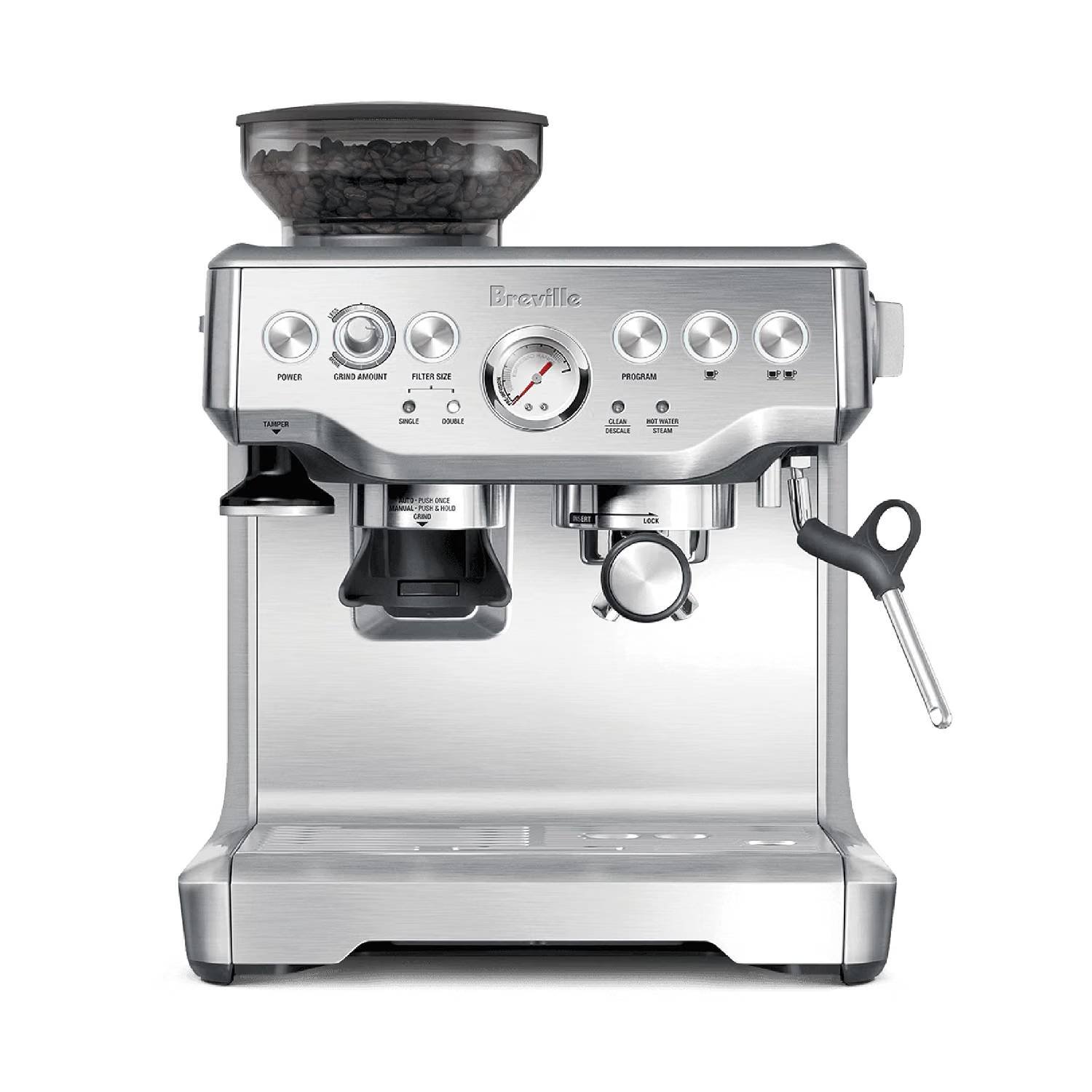
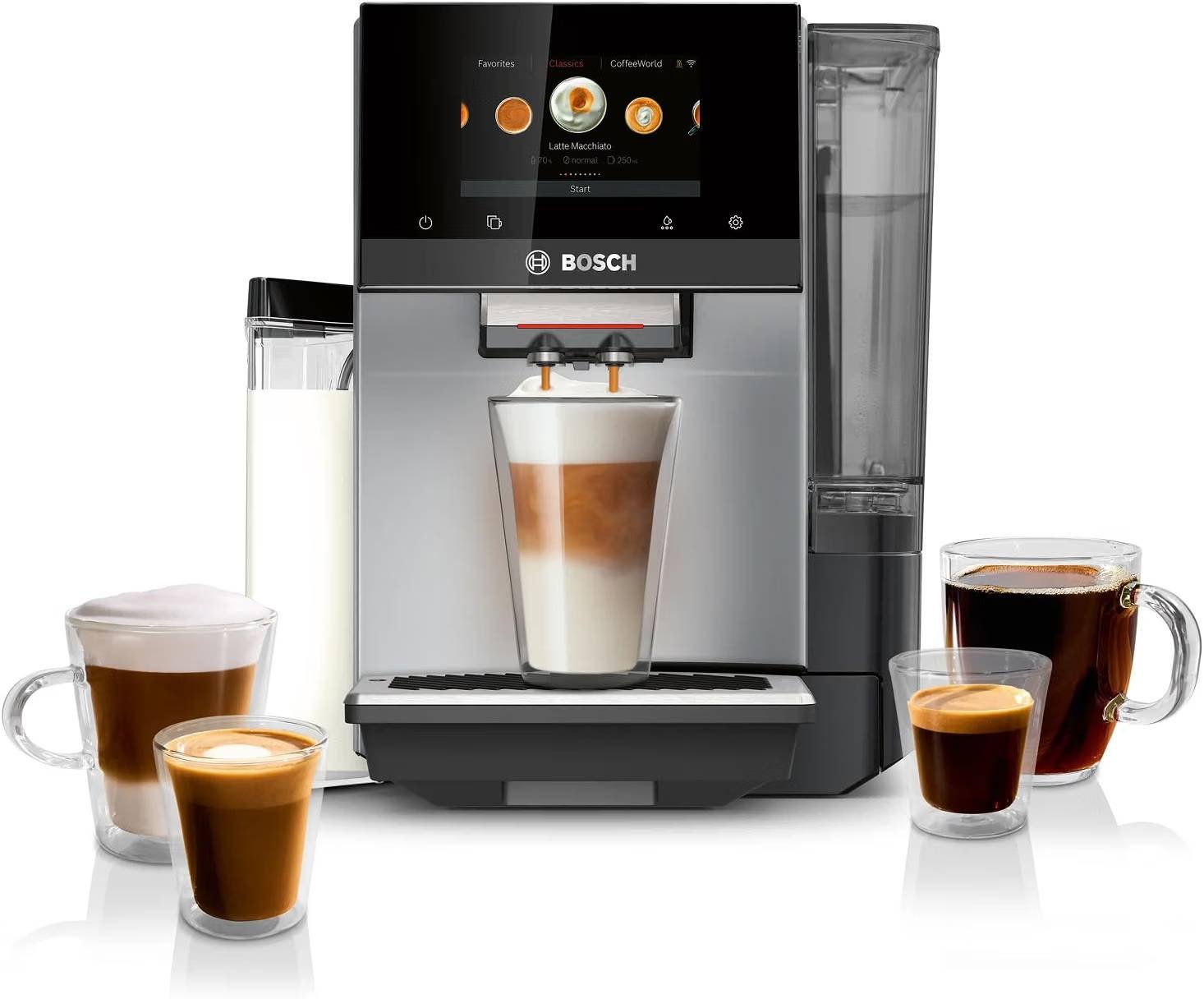
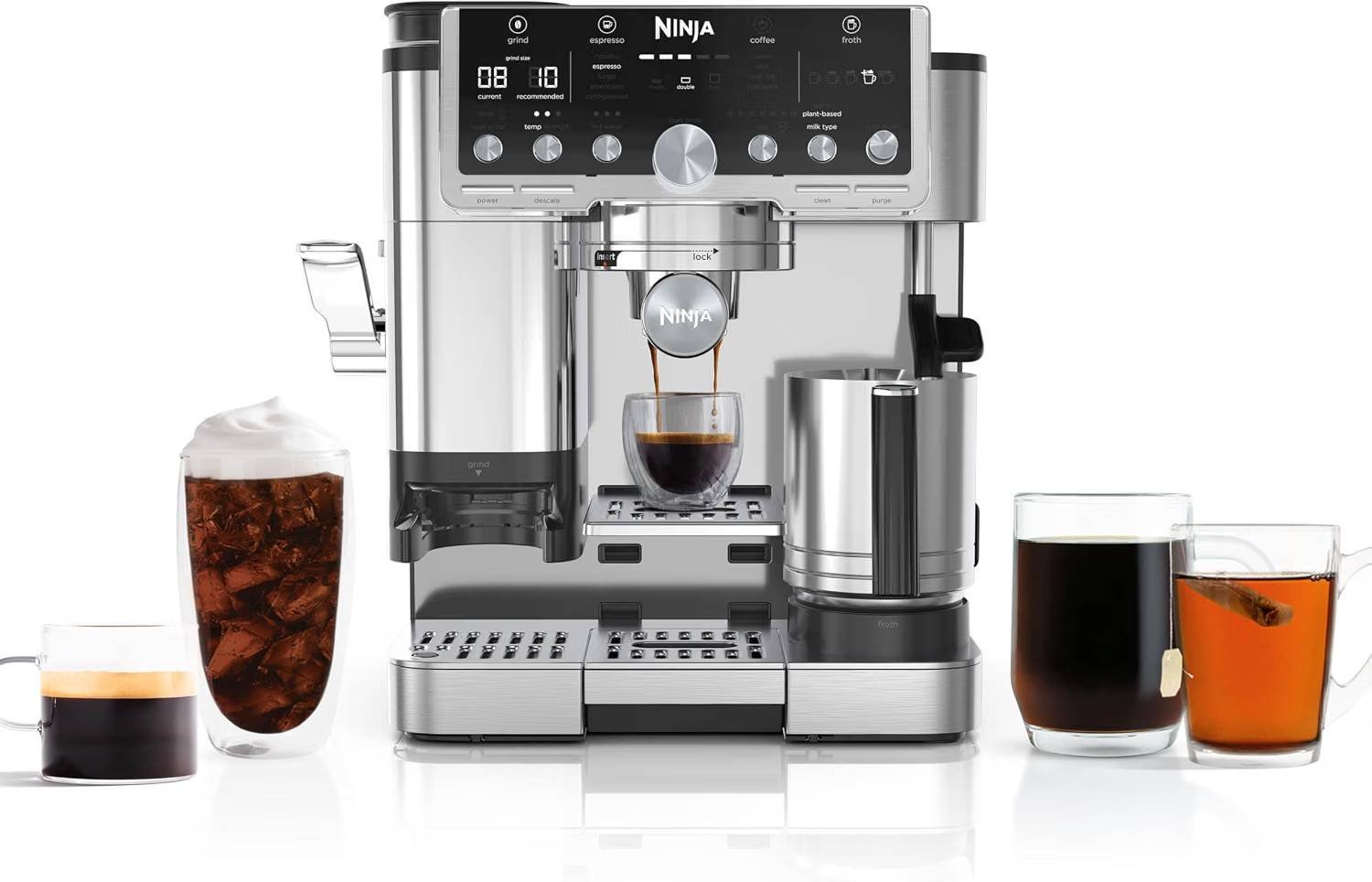
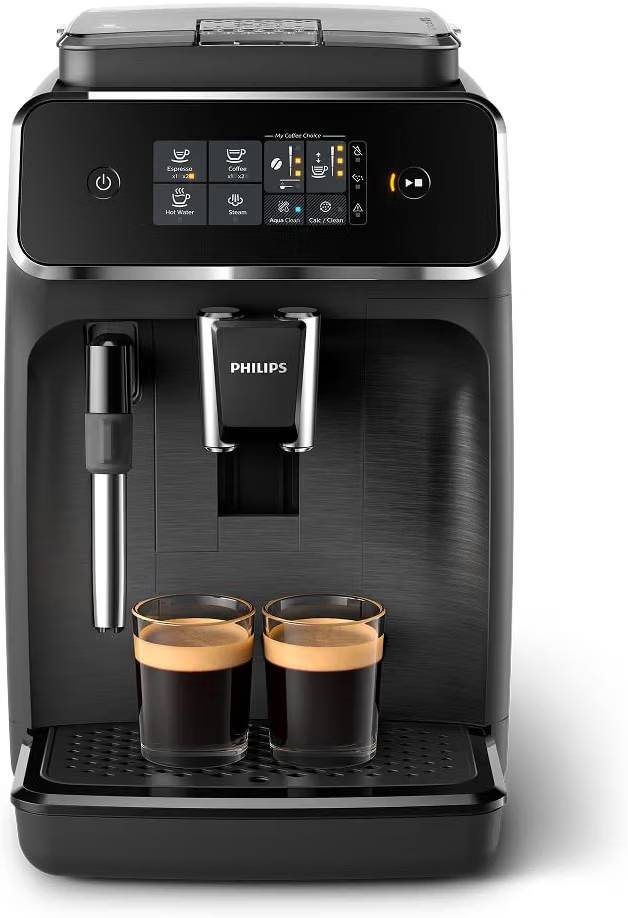
The Breville Barista Express is our research-based starting pick for buyers who want to learn espresso without buying a separate grinder. Choose the Philips 2300 if one-touch milk drinks and simple cleanup matter more than manual control. The Ninja Luxe Café Premier is the most flexible choice for a household that also wants drip coffee and cold brew. For high-end automation and a wide drink menu, compare the Philips 5500, Bosch 800 Series and De’Longhi Rivelia.
Testing transparency: This is a research-based comparison of manufacturer documentation, listed features and design tradeoffs. It is not a hands-on laboratory test, and the order is not based on Amazon star ratings. Confirm the exact model, voltage, included accessories and current warranty on the destination page before buying.
How we evaluated
A useful top 20 needs more than pressure numbers
We compared the 20 listed machines across the decisions that shape everyday ownership. Automation changes how much control you have. The grinder determines whether the setup is truly all in one. The milk system affects both drink quality and cleanup. Maintenance, counter clearance and model-specific accessories often matter more after the first week than a large pump-pressure claim.
Daily workflowHow many steps and separate tools stand between beans and a finished drink?
Espresso controlCan the user adjust grind, dose, yield, temperature or pressure meaningfully?
Milk preparationIs frothing automatic, assisted or fully manual, and what cleaning follows?
Ownership frictionWe considered footprint, refilling, cleaning, accessories and learning curve.
Top 20 espresso machines compared
Amazon buttons are paid links. Prices and availability change, so they are intentionally omitted. On a phone, swipe sideways to see every column.
Twenty espresso machines compared by type, best fit and main tradeoff
Espresso Mastered:The EspressoFinder.com Guide for Enthusiasts and Professionals
Choose smarter. Brew better from day one.
Pressure numbers and long feature lists can make almost every machine look impressive. This practical guide shows you what actually affects taste, workflow, and long-term value—before you spend your money.
Separate useful specifications from marketing noise
Match the grinder, milk system, and learning curve to your routine
Spot hidden accessory, cleaning, and upgrade costs
Use a clear checklist to compare any espresso machine
Free digital guide · Delivered by email · Privacy Policy
Detailed reviews
Our 20 picks, with the tradeoffs explained
Best overall starter
1. Breville Barista Express BES870XL
The most balanced starting point here for someone who wants a real barista workflow without assembling a grinder-and-machine pair from separate purchases.
Buy it ifYou want to learn grinding, dosing, tamping and milk texturing.
Skip it ifYou want coffee and milk at one touch with almost no technique.
The Barista Express combines an integrated conical burr grinder with manual espresso preparation. That keeps the setup compact while still teaching the core skills that determine extraction. The pressure gauge, dose controls and manual steam wand make changes visible rather than hiding the process behind presets.
Its strength is also its demand: beans need dialing in, the portafilter needs cleaning and milk texture improves with practice. Buyers who prefer convenience should start with a super-automatic espresso machine instead.
WorkflowGrind, dose and extract
GrinderIntegrated burr grinder
MilkManual steam wand
What we like
Complete learning-focused setup
Manual control without a separate grinder
Large accessory and support ecosystem
What to consider
Needs regular dialing in
Brewing and steaming are sequential
Not a one-touch machine
Specification source reviewed: Breville’s official BES870 product documentation. Editorial conclusions are our own.
A strong convenience pick for households that want espresso, coffee and milk drinks without learning puck preparation or manual steaming.
Buy it ifFast one-touch drinks and simple milk-system cleanup are priorities.
Skip it ifYou want to control distribution, tamping and shot flow yourself.
Philips positions the 2300 as an approachable bean-to-cup machine with four drinks and its two-part LatteGo milk system. The advantage is repeatability: the machine handles grinding and brewing while the detachable milk parts simplify the after-drink routine.
The compromise is creative control. You can adjust core drink settings, but it does not provide the tactile feedback of a portafilter machine. It is better for dependable weekday drinks than for someone who wants espresso preparation as a hobby.
TypeFully automatic
DrinksFour one-touch choices listed
MilkLatteGo system
What we like
Short bean-to-cup workflow
Milk parts are easy to remove
Good fit for mixed coffee households
What to consider
Less control than a semi-automatic
Milk container still needs prompt cleaning
Limited menu beside premium Philips models
Specification source reviewed: Philips Series 2300 EP2330 product documentation.
The practical choice when one household wants espresso, drip coffee and cold brew but does not want three separate appliances.
Buy it ifYou value guided settings and several coffee formats.
Skip it ifYou want a small, traditional espresso-only machine.
The Luxe Café Premier combines an assisted espresso workflow with drip coffee and cold brew functions. Its appeal is not maximum manual control; it is reducing guesswork while keeping more user involvement than a fully automatic machine. Hands-free frothing can also lower the barrier to milk drinks.
Versatility adds size and complexity. Measure depth and overhead clearance, and decide whether you will genuinely use the non-espresso modes. A narrower dedicated machine may be easier to live with if espresso is the only goal.
FormatsEspresso, drip and cold brew
GrinderIntegrated
MilkHands-free frothing
What we like
Replaces several coffee appliances
Assisted settings reduce trial and error
Approachable milk workflow
What to consider
Needs generous counter space
Many modes increase setup time
Purists may prefer direct manual control
Specification source reviewed: Ninja’s official ES601 product and support documentation.
A convenience-first machine for users who want freshly ground coffee plus automatic hot and cold milk drinks from one interface.
Buy it ifYour household rotates between hot espresso drinks and iced recipes.
Skip it ifYou prefer a simple machine with few removable milk parts.
Magnifica Duo is built around one-touch bean-to-cup preparation and a broader hot-and-cold drink routine. It removes grinding, dosing and extraction decisions from the user and adds automated milk texturing, making it suitable for households that care more about repeatability than technique.
Automatic convenience creates a cleaning obligation. Milk-contact parts must be handled consistently, and a large preset menu can be unnecessary for espresso-only drinkers. Compare the exact Amazon model number before ordering.
TypeFully automatic
MenuHot and cold recipes
MilkLatteCrema Hot & Cool
What we like
Bean-to-cup simplicity
Hot and cold milk options
Useful for varied household preferences
What to consider
Milk system adds cleaning
Less direct control over extraction
Confirm the exact regional model
Specification source reviewed: De’Longhi’s official Magnifica Duo ECAM33080SXB documentation.
The Philips choice for buyers who want a broad hot-and-iced recipe list with a familiar removable LatteGo milk system.
Buy it ifSeveral users want different recipes without manual preparation.
Skip it ifYou mainly drink straight espresso and will ignore most presets.
Philips lists 20 hot and iced drinks for the 5500 Series, making variety its clearest advantage. QuickStart shortens the wait for the first drink, and LatteGo keeps the milk path relatively simple compared with tube-heavy systems.
More presets do not automatically mean better espresso. The machine still prioritizes automation and convenience over detailed puck preparation. Buyers should compare it with the lower-cost Philips 2300 or 4400 and pay only for recipes they will use.
TypeFully automatic
Recipes20 hot and iced listed
MilkLatteGo
What we like
Broad drink selection
Fast startup
Removable two-part milk system
What to consider
Premium price over simpler Philips models
Menu depth may be unnecessary
Limited hands-on espresso control
Specification source reviewed: Philips Series 5500 EP5547/90 documentation.
A high-end automatic for buyers who want a large specialty-drink menu, saved favorites and connected controls.
Buy it ifCustomization and multiple user preferences justify the price.
Skip it ifYou want a compact, offline, espresso-focused appliance.
Bosch’s 800 Series emphasizes a large color interface, extensive beverage choices and saved favorites. Selected models add Home Connect, which makes sense for users who enjoy app-based control and want a broad menu from one automatic machine.
The tradeoff is cost and system complexity. Compare model numbers carefully because finishes and feature sets can vary within the 800 Series. Smart features do not reduce the need to clean the brew path and milk components.
TypeFully automatic
InterfaceColor touchscreen
FeaturesFavorites and connected control
What we like
Wide beverage selection
Saved-user convenience
Polished interface
What to consider
High purchase price
Model-to-model differences
Connected features may not matter to everyone
Specification source reviewed: Bosch’s official 800 Series VeroCafe documentation.
A compact premium automatic built for households that regularly switch between two coffees, such as regular beans and decaf.
Buy it ifBean switching and guided personalization solve a real daily problem.
Skip it ifYou use one bean and want the lowest cost per feature.
Rivelia’s defining idea is its pair of interchangeable bean hoppers. That turns a usually awkward task—emptying a grinder before changing coffee—into a manageable routine. De’Longhi also provides a color display, saved preferences and automatic milk preparation on relevant configurations.
The hopper system matters only if you will use it. Otherwise, less expensive automatic machines may cover the same core drinks. As with any milk carafe, convenience depends on consistent rinsing and refrigeration between uses.
GrinderIntegrated, 13 settings listed
BeansTwo interchangeable hoppers
ProfilesUp to four listed
What we like
Practical bean-switching design
Compact premium format
Guided personalization
What to consider
Expensive if you use one bean
Automatic milk parts need care
Limited manual extraction involvement
Specification source reviewed: De’Longhi’s official Rivelia EXAM44055 documentation.
A feature-rich semi-automatic for households that want an integrated grinder, manual steam wand and fewer water refills.
Buy it ifA large tank and adjustable grind settings suit a busy household.
Skip it ifYour upper cabinets leave little vertical clearance.
The Crema Supreme listing combines a built-in grinder with 30 grind settings, a steam wand and a large removable water tank. That makes it appealing to users who want a complete setup and prepare several drinks per day.
Measure first. A tall hopper-and-tank design needs working room above the machine, not just enough space for its body. Confirm the exact RJ54-G-SS listing and included accessories because similarly named Chefman espresso products exist.
Grinder30 settings listed
Tank3 L listed
MilkManual steam wand
What we like
Large removable reservoir
Integrated grinder
Adjustable shot workflow
What to consider
Tall counter footprint
Exact model matching matters
More manual cleanup than one-touch machines
Specification source reviewed: Chefman RJ54-G-SS documentation and the supplied product listing.
A premium bean-to-cup option for households that want user profiles and customizable coffee-and-milk recipes.
Buy it ifSeveral people want saved versions of their favorite drinks.
Skip it ifYou prefer physical controls or manual milk texturing.
Dinamica Plus centers the experience on a color touch interface and saved personalization. The machine handles grinding, dosing and milk delivery, reducing the difference between a rushed weekday drink and a carefully configured favorite.
The initial setup deserves time. Profiles are useful only after each user adjusts strength, quantity and milk balance. Cleaning the milk carafe and internal brew system remains part of ownership even when brewing is automatic.
TypeFully automatic
InterfaceColor touch display
ProfilesMultiple saved users
What we like
Personalized recipes
Automatic milk drinks
Good fit for several users
What to consider
Premium price
Milk-system maintenance
Interface setup can feel involved
Specification source reviewed: De’Longhi Dinamica Plus product and support documentation.
The middle option for buyers who want more variety than the 2300 without paying for the 5500’s largest recipe menu.
Buy it ifYou want a balanced set of hot and iced one-touch drinks.
Skip it ifYou need either the simplest budget model or maximum menu size.
The 4400 Series is the sensible comparison point inside Philips’ automatic range. Its listing combines an integrated grinder, 12 hot and iced presets, QuickStart, SilentBrew and the detachable LatteGo system.
The value depends on price gaps. If it costs close to a 5500, the larger menu may be worth stepping up to; if your routine uses only espresso and cappuccino, the 2300 may be enough. Compare the features you will use rather than the number on the front.
Recipes12 hot and iced listed
GrinderIntegrated
MilkLatteGo
What we like
Balanced preset selection
Simple removable milk system
Quick-start convenience
What to consider
Price should be compared across Philips range
No manual puck control
Carafe still needs cleaning after milk drinks
Specification source reviewed: Philips 4400 Series EP4444/90 documentation.
The higher-spec Ninja for buyers who will use espresso, drip coffee, cold brew and a dedicated hot-water function.
Buy it ifYou want one guided machine to handle nearly every coffee format.
Skip it ifYou already own a good drip brewer or kettle.
The Luxe Café Pro extends Ninja’s assisted approach with a four-in-one format. Integrated grinding, guided preparation and assisted frothing aim to make several drink types approachable without turning the entire process into a one-touch black box.
It earns its counter space only when those formats are used. If espresso is the priority, a focused semi-automatic may offer a clearer upgrade path and fewer systems to maintain.
FormatsFour-in-one
GrinderIntegrated
MilkAssisted frothing
What we like
Very broad beverage capability
Guided workflow
Useful for mixed-preference households
What to consider
Large footprint
Duplicates appliances some buyers own
Many functions mean more parts to learn
Specification source reviewed: Ninja’s official ES701 product documentation.
A straightforward bean-to-cup choice for espresso and coffee drinkers who only occasionally froth milk.
Buy it ifYou want automatic grinding and brewing with a simple manual frother.
Skip it ifYou expect one-touch lattes or a large recipe menu.
The 2200 Series keeps the automatic workflow focused: choose from the core coffee options, let the ceramic grinder and brew group handle the shot, and use the classic frother when milk is needed. Fewer automated milk parts can simplify ownership for black-coffee drinkers.
The tradeoff is convenience for frequent latte users. The classic frother requires technique and wiping after use. If milk drinks dominate your routine, a LatteGo model will be easier.
Coffee menuTwo core varieties listed
GrinderCeramic burr
MilkClassic manual frother
What we like
Simple bean-to-cup operation
Fewer milk-system parts
Removable brew-group approach
What to consider
Small drink menu
Milk requires manual work
Limited espresso experimentation
Specification source reviewed: Philips 2200 Series EP2220/14 documentation.
A compact, established automatic for small kitchens where basic espresso and manual milk frothing are enough.
Buy it ifYou want a shorter bean-to-cup machine with a traditional frothing wand.
Skip it ifYou make several large drinks back to back.
The Brera offers automatic grinding and brewing in a relatively compact body, then leaves milk frothing to the user. That combination suits buyers who want convenience for espresso but do not need an elaborate one-touch milk menu.
Compact machines usually give up capacity. Expect more frequent attention to water, beans and the drip tray than with larger premium automatics. Check clearance for front and side access in your intended location.
TypeSuper-automatic
Reservoir40 fl oz listed
MilkManual frothing wand
What we like
Compact format
Automatic coffee workflow
Manual milk flexibility
What to consider
Smaller capacities
No automatic milk carafe
Older interface design
Specification source reviewed: Gaggia Brera product and support documentation.
A design-led connected machine for buyers who want app-based drink customization and an automated daily routine.
Buy it ifYou enjoy connected controls and a modern interface.
Skip it ifYou want a machine that remains fully useful without an app ecosystem.
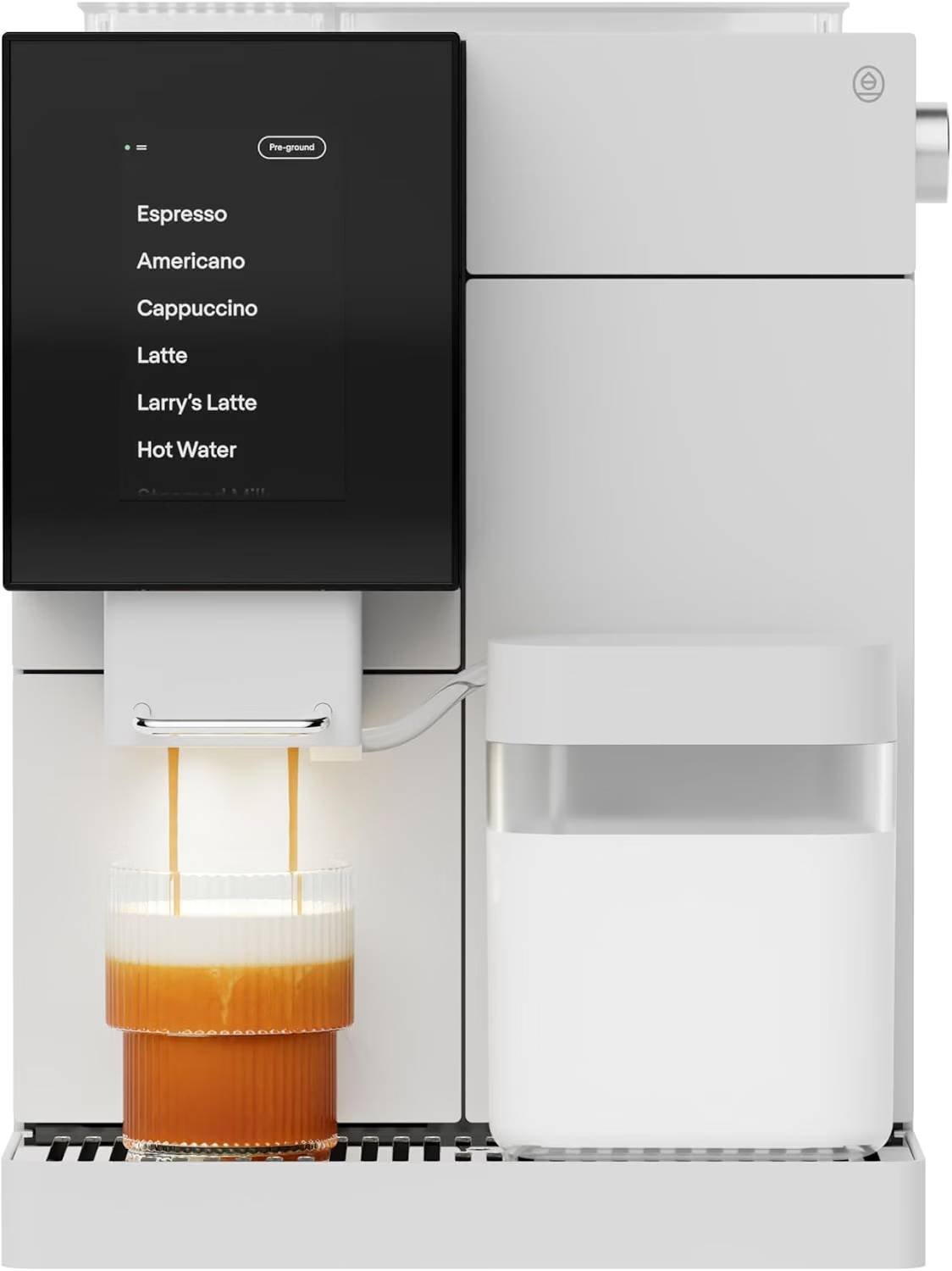
TK-02 is positioned as a connected super-automatic that prepares espresso-style, drip-style and milk drinks through a guided interface. Its visual design and software-led workflow are a large part of the appeal.
Connected convenience introduces dependence on software support and a more proprietary ownership experience. Evaluate service, warranty and cleaning access as carefully as the drink menu. Buyers prioritizing repair simplicity may prefer a conventional semi-automatic.
TypeConnected super-automatic
ControlScreen and app workflow
DrinksEspresso, coffee and milk styles
What we like
Modern guided interface
Customizable automatic drinks
Distinctive compact styling
What to consider
Premium cost
Software ecosystem matters
Proprietary service path
Specification source reviewed: Terra Kaffe’s official TK-02 documentation.
A focused choice for enthusiasts who want a traditional portafilter machine and are ready to budget for a capable grinder.
Buy it ifYou want a hands-on platform with room to improve technique.
Skip it ifYou need an included grinder or automatic milk drinks.
The Classic E24 is about separation of responsibilities: the grinder controls particle size, the user handles puck preparation and the machine provides the brewing and steaming platform. That makes it more demanding than an all-in-one but also gives the grinder an independent upgrade path.
Budget beyond the machine. A suitable grinder, scale, tamper and basic distribution tools can materially affect the experience. Our budget espresso grinder guide explains why the grinder should not be treated as an afterthought.
TypeSemi-automatic
GrinderSeparate purchase
MilkManual steam wand
What we like
Focused espresso workflow
Independent grinder upgrade path
Established accessory ecosystem
What to consider
Requires a capable grinder
Technique affects consistency
Single-boiler workflow is sequential
Specification source reviewed: Gaggia Classic E24 official product documentation.
A bridge between one-touch appliances and traditional semi-automatic machines, with guidance and included workflow tools.
Buy it ifYou want hands-on espresso with more guidance than a bare machine offers.
Skip it ifYou want the machine to dose, tamp and froth automatically.
Philips Barista Brew targets users who want to participate in preparation while keeping common steps approachable. The listing includes single and double espresso plus an Americano control, a dual bean container, calibrated tamping and a metal milk solution.
It still requires a routine: dose, tamp, lock in, brew, steam and clean. That is appealing if you want to learn, but it will feel slow beside a LatteGo model during a rushed morning.
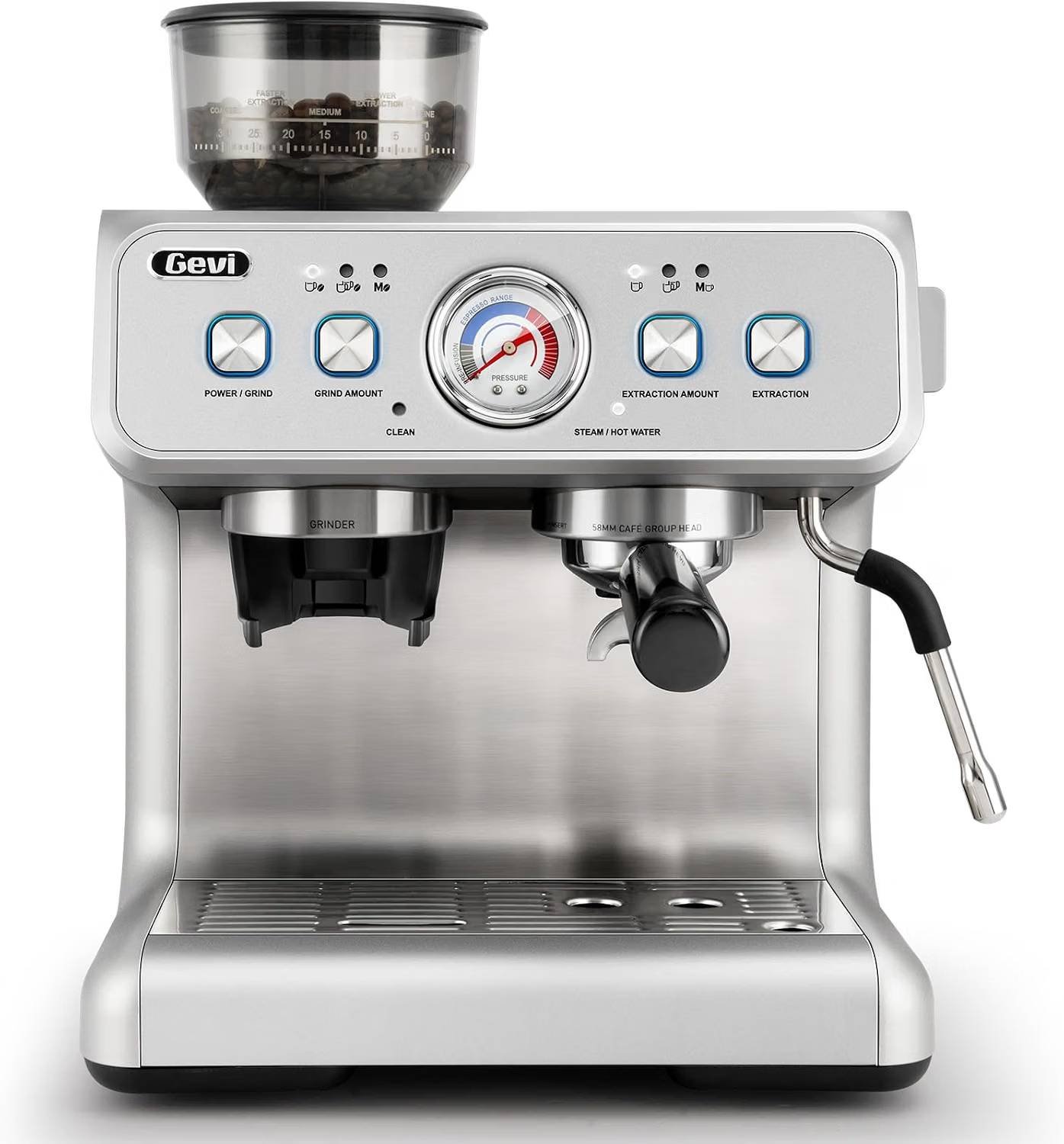
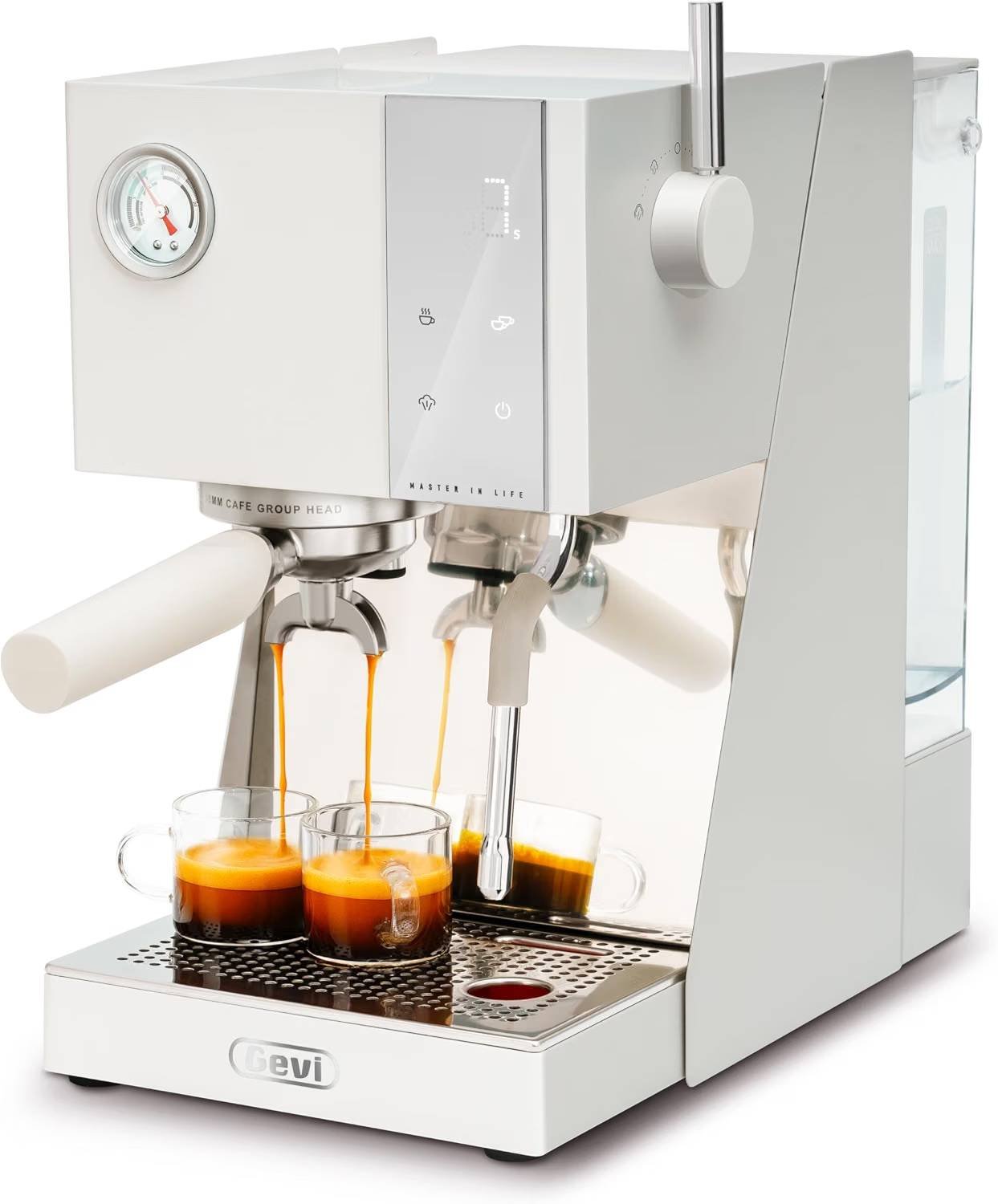
An ambitious all-in-one option for buyers attracted to an integrated grinder and dual-boiler-style workflow at a value-oriented price.
Buy it ifYou will verify the exact model and value convenience over brand history.
Skip it ifYou need extensive long-term service evidence.
The combination of a burr grinder and separate heating capability can reduce waiting between extraction and steaming. That matters to latte drinkers more than a large pump-pressure number. For a deeper explanation, compare our dual-boiler espresso machine guide.
Gevi sells several similar-looking models, so model matching is essential. Confirm the control panel, portafilter, voltage, warranty and included grinder details on the linked listing before ordering.
HeatingDual-boiler listing
GrinderBuilt-in burr grinder
MilkManual steam wand
What we like
Integrated setup
Milk-drink-oriented heating design
Strong feature list
What to consider
Exact model must be checked
Less long-term ownership evidence
Specifications can vary by listing
Specification source reviewed: Gevi product documentation and the supplied listing. Confirm model details before purchase.
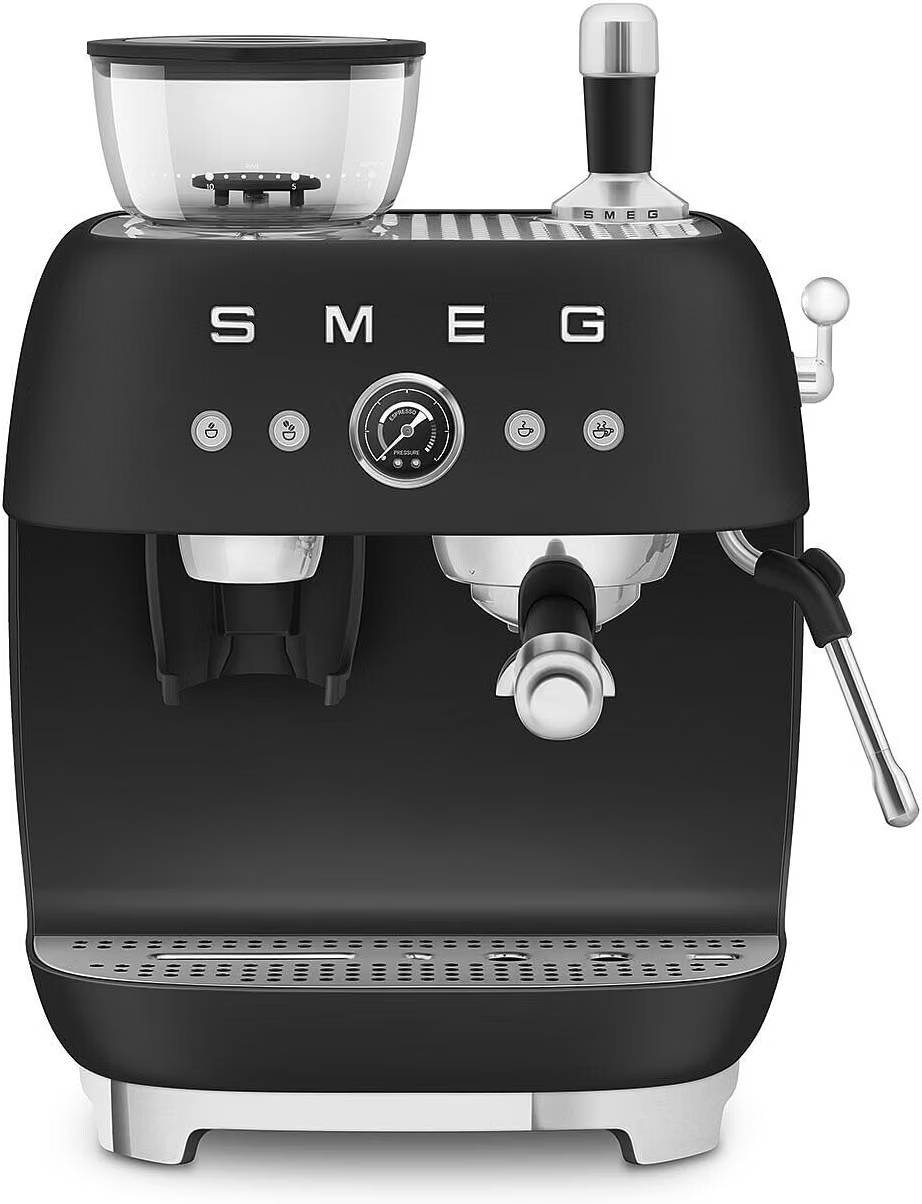
A style-first semi-automatic for buyers who want a visually coordinated kitchen appliance and basic manual espresso control.
Buy it ifCompact styling matters and you already plan for a separate grinder.
Skip it ifYou want maximum performance per dollar or an integrated grinder.
Smeg’s semi-automatic makes single and double espresso through a conventional portafilter workflow. Its strongest differentiator is design rather than an unusually broad control set, which can still be a valid priority in an open kitchen.
Factor in the separate grinder and milk technique before comparing total cost. A beautiful machine cannot compensate for uneven grinding, and the steam wand still needs practice and immediate wiping.
TypeSemi-automatic
ShotsSingle and double
GrinderSeparate purchase
What we like
Distinctive design
Compact manual workflow
Straightforward shot controls
What to consider
Style carries part of the price
Requires a grinder
Limited advanced controls
Specification source reviewed: Smeg semi-automatic product documentation and the supplied listing.
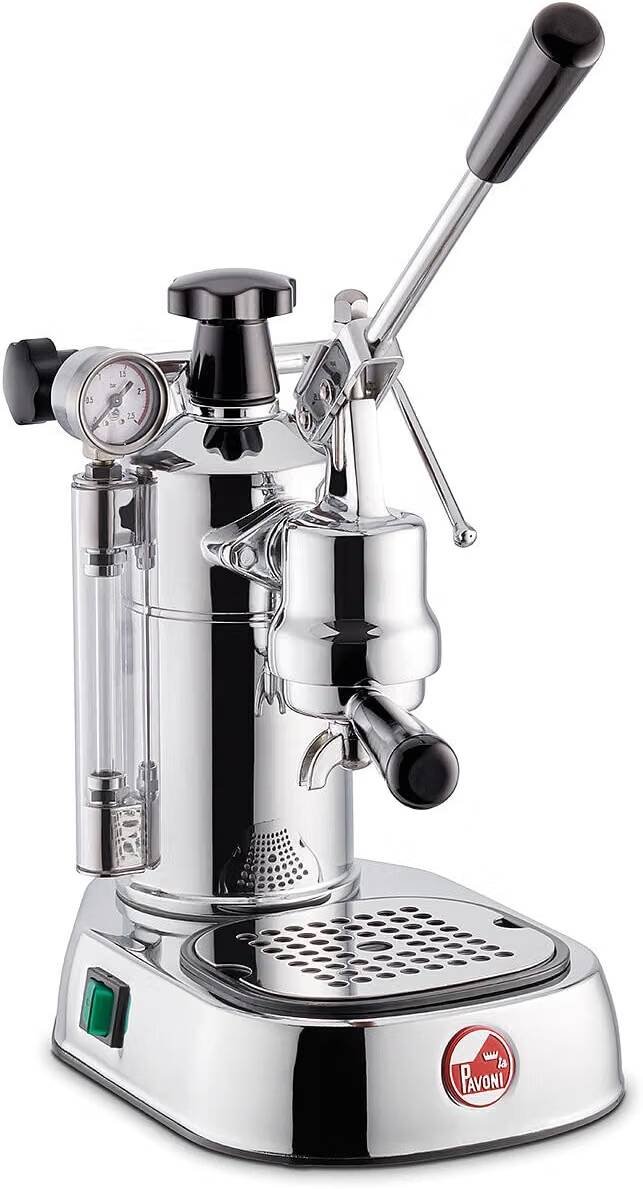
A specialized lever machine for enthusiasts who want direct pressure profiling and accept a steep learning curve.
Buy it ifThe preparation ritual and manual feedback are the point.
Skip it ifYou need fast, repeatable drinks for several people.
The Professional uses a manual piston lever rather than an electric pump to create brewing pressure. That gives the user immediate control over pre-infusion and the pressure curve, but it also makes temperature management, puck preparation and lever technique part of every shot.
This is not a beginner shortcut. Read our manual lever espresso machine guide before choosing it, and budget for an excellent grinder. The reward is a deeply tactile workflow that automatic machines cannot reproduce.
TypeManual lever
Boiler38 oz listed
PressureUser-controlled lever profile
What we like
Direct pressure feedback
Classic metal construction
Highly engaging workflow
What to consider
Steep learning curve
Temperature management requires care
Slow for back-to-back drinks
Specification source reviewed: La Pavoni Professional PC-16 documentation.
A budget-conscious route into the common 58 mm accessory format for buyers who already own, or will buy, an espresso-capable grinder.
Buy it ifYou want 58 mm accessory compatibility at a lower entry price.
Skip it ifYou want an integrated grinder or extensive model documentation.
The 58 mm portafilter is the practical reason to consider this Gevi, not the advertised 20-bar pump. A common basket size opens more choices for tampers, baskets, dosing funnels and distribution tools. See our espresso portafilter guide for the compatibility questions to check.
Confirm the exact model because Gevi listings can look similar while using different controls and accessories. The machine also needs a capable separate grinder; pre-ground coffee will limit what the 58 mm format can deliver.
Portafilter58 mm listed
Pump20-bar maximum claim
GrinderSeparate purchase
What we like
Common accessory size
Manual steam wand
Value-oriented entry point
What to consider
Exact model matching is essential
Separate grinder required
Limited independent performance evidence
Specification source reviewed: Gevi product documentation and the supplied 58 mm listing.
A super-automatic grinds and brews internally. A semi-automatic asks you to prepare a portafilter but gives more feedback and control. Start with workflow, not brand.
Integrated or separate grinder?
An integrated grinder saves space and simplifies buying. A separate grinder is easier to upgrade and can offer finer control. Never compare machine prices without including the grinder.
Mostly espresso or milk drinks?
For frequent lattes, examine steam recovery, carafe cleaning and the delay between brewing and steaming. Our double-boiler espresso machine overview explains why heating design matters.
How much counter space?
Measure width, depth and working height. Leave room to remove the water tank, fill the hopper, lock in a portafilter and move the steam wand.
What water will you use?
Scale affects flavor, heating performance and maintenance. Review espresso-machine water filters and follow the manufacturer’s water guidance instead of using a universal descaling schedule.
Will you enjoy the routine?
Manual machines reward practice with more control. If weighing, tamping espresso and adjusting grind sound like chores, choose automation without guilt.
New to espresso? Read how to use an espresso machine before buying. It shows which steps an automatic machine removes and which remain part of daily ownership.
Quick answers
Common questions before buying
What is the best espresso machine for most beginners?
The Breville Barista Express is a strong starting point for beginners who want to learn manual espresso with an included grinder. Buyers who prefer one-touch drinks should consider the Philips 2300 instead.
Is a super-automatic machine better than a semi-automatic?
Neither is universally better. Super-automatic machines prioritize speed and repeatability. Semi-automatic machines provide more control and a clearer upgrade path but demand more technique and cleaning.
Does 20-bar pressure make better espresso?
No. The advertised number usually describes a pump’s maximum capability, not the pressure that should reach the coffee. Grind quality, temperature stability, puck preparation and pressure regulation matter more. See our 20-bar espresso machine explanation.
Do I need an espresso grinder?
Yes, unless the machine has an integrated grinder. Espresso requires small grind adjustments as beans age. A general-purpose blade grinder cannot provide the control needed for consistent shots.
Is a 58 mm portafilter automatically better?
No. It provides a broad accessory ecosystem and a commercial-style format, but good espresso is possible with smaller systems. Machine design, grinder quality and technique still matter.
Which machine is easiest to clean?
A simple automatic with a removable milk system, such as Philips LatteGo, can reduce milk cleanup. A semi-automatic has fewer hidden milk paths but requires wiping and purging the steam wand immediately after use.
How often should an espresso machine be descaled?
Follow the manufacturer’s instructions and your water hardness. A fixed schedule can be excessive with soft water and insufficient with very hard water. Filtration does not eliminate all maintenance.
Should I buy a dual-boiler machine?
A dual boiler is most useful when you regularly brew espresso and steam milk back to back. Straight-espresso drinkers and occasional latte makers may not benefit enough to justify the cost and size.
Recommended next
Continue your espresso research
Use these published guides to narrow your choice by workflow and machine type.